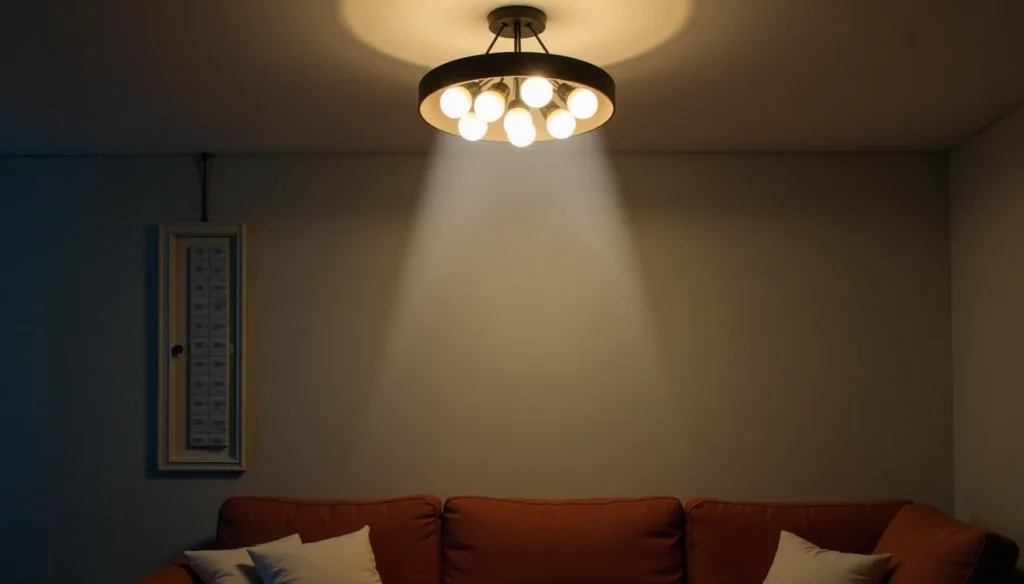
Wondering why are my lights flickering in my house? You’re not alone. Flickering lights are more than just an annoyance – they can indicate problems ranging from a simple loose bulb to serious electrical hazards that require immediate attention.
Most homeowners experience this common issue at some point. Sometimes, the fix is as straightforward as tightening a bulb or replacing an aging fixture. However, flickering lights can additionally signal overloaded circuits, voltage fluctuations, or even deteriorating wiring that poses fire risks, especially in older homes.
Before calling a professional electrician, there are several troubleshooting steps you can take yourself. This comprehensive guide walks you through the process of diagnosing flickering lights, starting with simple DIY fixes and progressing to more complex electrical issues that might require professional expertise.
Understanding the root cause of flickering lights is essential not just for fixing the immediate problem but also for maintaining your home’s electrical safety and efficiency. Let’s illuminate the possible causes and solutions for those bothersome flickering lights in your home.
Check the Simple Fixes First
When investigating flickering lights in your home, start with the simplest potential causes. In most cases, you can resolve the issue yourself without calling an electrician. Let’s examine the most common culprits that create those annoying flickers.
Loose or improperly installed bulbs
A loose light bulb is frequently the most straightforward explanation for flickering. When a bulb isn’t screwed in tightly, it creates an inconsistent connection between the bulb’s base and the socket. This intermittent contact disrupts the electrical flow, causing the light to flicker as it receives varying power levels.
To fix this issue:
- Turn off the light switch completely
- Wait for the bulb to cool down if it’s been on
- Remove the bulb and check for any debris or corrosion in the socket
- Screw the bulb back in until it sits snugly (but avoid overtightening)
If tightening doesn’t solve the problem, the bulb itself might be faulty. Simply replacing it with a new one often resolves the issue, particularly with LED bulbs that can be sensitive to fixture compatibility.
Faulty or incompatible dimmer switches
Dimmer switches are another common source of flickering lights, particularly when paired with modern LED bulbs. Many older dimmer switches were designed specifically for incandescent bulbs and aren’t compatible with LED technology.
These incompatibility issues typically manifest as:
- Flickering that occurs only when adjusting brightness
- Buzzing or humming sounds from the light fixture
- Lights that work fine at full brightness but flicker when dimmed
Dimmer switches work by rapidly turning power on and off at speeds undetectable to the human eye. Consequently, when the wrong type of dimmer is paired with LEDs, the mismatch creates unstable power delivery. For instance, LEDs can consume up to five times more current when connected to an incompatible dimmer, potentially overheating the bulb.
The solution involves either replacing your dimmer switch with an LED-compatible model or switching to bulbs that work with your existing dimmer. Many LED manufacturers provide compatibility lists with their products to help you make the correct choice.
Bulb type mismatches and aging bulbs
Different types of light bulbs have varying flickering tendencies. Older fluorescent bulbs naturally flicker when warming up, whereas modern LEDs may flicker due to poor internal regulation of current in lower-quality models.
As bulbs age, they become more prone to flickering issues. In essence, when a light bulb approaches the end of its lifespan, internal components degrade, leading to an unstable connection within the bulb itself. The filament in incandescent bulbs or the internal components of LEDs can wear out, causing intermittent electrical contact.
Furthermore, mixing different bulb types on a single circuit or dimmer can trigger flickering. For example, using both incandescent and LED bulbs on the same dimmer switch often leads to performance problems since each requires different power regulation.
To resolve these issues:
- Replace aging bulbs before they completely fail
- Ensure all bulbs on a circuit are of the same type
- Invest in higher-quality LED bulbs for greater reliability
- Verify that your bulbs are labeled “dimmable” if used with dimmer switches
Remember that cheap, lower-quality LED bulbs often contain inferior components that are less capable of handling normal power fluctuations, making them more susceptible to flickering issues.
Inspect Fixtures and Connections
Beyond simple bulb issues, flickering lights often signal problems with your home’s electrical fixtures and connections. These issues generally require closer inspection and sometimes professional intervention to resolve safely.
Loose light fixtures or sockets
Flickering often occurs when light fixtures aren’t properly secured. Inside fixtures, wires can become loose over time, creating inconsistent electrical connections that cause lights to flicker or dim unpredictably. This happens because the current becomes unstable as it passes through the compromised connection.
A loose connection inside a fixture is more serious than a loose bulb. When you’ve confirmed the bulb is properly seated yet flickering persists, the socket itself might be the culprit. The center tab inside screw-in sockets can flatten over time, preventing proper contact with the bulb. Moreover, internal wiring connections can deteriorate, creating dangerous conditions.
Loose wiring doesn’t just cause annoying flickers—it presents a genuine fire hazard. When connections aren’t secure, electricity can “arc” or jump across gaps, generating intense heat. This arcing can potentially ignite nearby materials, making loose fixture connections a serious safety concern rather than merely an inconvenience.
Worn-out light switches
Light switches undergo thousands of operations throughout their lifespan, making them prone to mechanical failure. Several telltale signs indicate a switch is failing:
- Delayed response when flipping the switch
- Crackling, popping, or buzzing sounds during operation
- Switch plate feels warm or hot to the touch
- Physical looseness or wobbling when operated
- Burning smell when the switch is used
These symptoms occur because the internal metal contacts in switches gradually wear down, preventing solid electrical connections. A switch that feels physically loose typically indicates the internal mechanism has deteriorated or a wire connection has come loose.
A switch that produces noise isn’t just annoying—it often indicates electricity arcing inside the switch, which creates a serious fire risk. Indeed, any switch that feels hot to the touch should be addressed immediately, as excess heat suggests dangerous electrical resistance that could lead to fires.
Loose plugs or damaged outlets
Outlets with loose connections frequently cause lights to flicker, particularly when appliances are plugged in or unplugged. This occurs because the momentary disruption in the electrical connection affects the entire circuit.
Backstab (or stab-in) wiring methods—where wires are inserted into holes in the back of outlets rather than secured around terminal screws—are especially prone to becoming loose over time. These connections rely on small spring clips that can weaken, creating unstable connections that cause flickering lights.
Signs of outlet problems include:
- Visible damage or discoloration on the outlet face
- Plugs that fit too loosely in the socket
- Outlets that feel warm or hot to the touch
- Buzzing or humming sounds coming from the outlet
- Sparking when plugging or unplugging devices
Damaged outlets pose significant risks besides flickering lights. Loose connections increase electrical resistance, generating excess heat. Subsequently, this can melt wiring insulation and create fire hazards. Additionally, intermittent connections can damage sensitive electronics plugged into affected outlets.
For all these issues—whether loose fixtures, failing switches, or damaged outlets—addressing them promptly is crucial for both resolving flickering lights and maintaining your home’s electrical safety.
Understand Circuit and Load Issues
Even after addressing bulb and fixture issues, persistent flickering often indicates deeper problems within your home’s electrical system. Circuit and load issues can affect multiple lights simultaneously, creating a more widespread problem that requires attention.
Overloaded circuits and high-wattage appliances
Circuit overload occurs when too many devices draw power from a single circuit simultaneously. This common issue can make lights dim or flicker as the system struggles to handle the electrical demand, primarily with high-wattage appliances.
Signs of an overloaded circuit include:
- Lights that flicker when appliances like air conditioners or microwaves turn on
- Multiple lights dimming simultaneously in one area of your home
- Appliances struggling to start up or maintain consistent power
High-wattage appliances such as refrigerators, air conditioners, and space heaters demand significant power when starting up, often causing a momentary voltage drop throughout the connected circuit. This sudden power draw lowers voltage in your system, making lights flicker briefly as the circuit attempts to balance the load. If your circuit isn’t properly designed or your electrical panel is underpowered, this problem becomes more noticeable.
Breaker trips and buzzing sounds
Frequently tripping circuit breakers serve as a warning signal that something is wrong with your electrical system. A circuit breaker that trips repeatedly indicates either a chronic overload issue or potentially a failing breaker. This happens because breakers are designed to disconnect when there’s excessive electricity flowing through them.
According to the National Fire Protection Association, electrical failures or malfunctions cause 47,700 home fires annually, resulting in 418 deaths and $1.40 billion in property damage [1].
Unusual sounds such as buzzing, crackling, or humming from your electrical panel or outlets represent another serious warning sign. These noises typically indicate loose wiring or connections, which create dangerous arcing—where electricity jumps across gaps instead of flowing through wires normally. This situation generates significant heat and presents a major fire hazard [2].
How to balance electrical load at home
Balancing your home’s electrical load improves safety, extends equipment lifespan, and enhances energy efficiency. Here’s how to address load balancing effectively:
- Identify which appliances are causing problems by noting when flickering occurs
- Redistribute high-power devices across different circuits rather than clustering them on one circuit
- Unplug unnecessary devices during peak usage times
- Consider using extension cords temporarily to access outlets on different circuits
For a longer-term solution, evaluate whether your electrical panel needs upgrading. Older homes often have electrical systems that weren’t designed to support modern appliances and electronics. In such cases, adding more circuits or upgrading your panel capacity might be necessary to properly distribute the electrical load [3].
Remember that proper electrical load balancing isn’t just about convenience—it’s about safety. When loads aren’t balanced, appliances wear out faster, energy is wasted, and fire risks increase substantially [4].
Look Into Deeper Electrical Problems
If simpler fixes haven’t resolved your flickering lights, deeper electrical problems might be lurking within your home’s infrastructure. These issues typically require professional inspection and repair as they can present serious safety hazards.
Old or damaged wiring in older homes
Homes built before the 1950s often contain outdated wiring systems that weren’t designed to handle modern electrical demands. Over time, wiring insulation degrades, connections loosen, and the entire system becomes less reliable. This aging process manifests through flickering lights, frequently tripped breakers, and in some cases, burning odors.
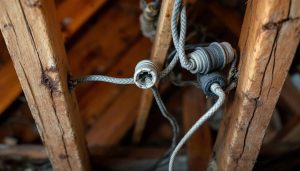
The deterioration of old wiring creates genuine safety concerns—faulty electrical wiring causes over 53,000 home fires annually [5]. In older systems, rubber insulation breaks down, potentially exposing bare wires to moisture and air. Knob-and-tube wiring, common in pre-1970s construction, becomes particularly hazardous as its protective rubber coating crumbles over time [6].
Warning signs of deteriorating wiring include:
- Lights dimming unpredictably throughout your home
- Electrical shocks when touching switches or outlets
- Discolored wall plates or scorching around electrical points
- Buzzing or crackling sounds from behind walls
Voltage fluctuations and power surges
Fluctuating voltage levels often appear as lights that unexpectedly dim or brighten. These variations can damage electronics, cause premature appliance failure, and create health issues including fatigue, concentration problems, and in extreme cases, epileptic shock [7].
Machinery with rapidly changing electrical demands primarily causes these fluctuations—equipment like welders, elevators, large motors during startup, and electric arc furnaces [7]. Nevertheless, voltage fluctuations can likewise stem from loose connections within your electrical system.
LED lights tend to be particularly responsive to these fluctuations, making them excellent indicators of underlying power problems [8]. A power quality analyzer can help identify the source of these fluctuations [7].
Main service connection issues
Problems at your home’s primary electrical connection point—where utility power enters your dwelling—often cause widespread flickering throughout multiple rooms or even the entire house [9]. These issues typically occur at the meter box, service entrance cable, or main service panel.
Obvious signs include exposed wires at the weatherhead, corrosion in junction boxes, or a damaged service entrance cable [10]. Main connection problems frequently manifest as random flickering that worsens over time and affects numerous circuits simultaneously.
Given the complexity and danger of main service issues, these problems require immediate professional attention—typically coordinated between your electrician and utility company [9].
When the Electrical Panel Is the Culprit
Your electrical panel serves as the central hub for your home’s power distribution, primarily responsible for flickering lights throughout multiple areas of your home. Understanding when your panel is causing the problem can save you time and prevent potential hazards.
Signs of a failing breaker panel
Persistent flickering across your home often indicates panel issues rather than individual fixture problems. Watch for these warning signals:
- Circuit breakers that trip frequently or won’t stay reset
- Buzzing, crackling, or humming sounds coming from the panel
- Burning smells or visible scorch marks near the panel
- Warmth or heat when touching the panel cover
- Sparking at connection points inside the panel
One homeowner discovered that flickering throughout their house was caused by a main leg connection sparking at the connection screw [11]. In another case, a loose white neutral wire in the panel box was the culprit [12].
Outdated panels and capacity issues
Most modern homes require 200-amp panels to handle today’s electrical demands [13]. Older panels, especially those under 100 amps, typically cannot support multiple modern appliances and electronics simultaneously [14].
Homes built before the 1980s often have undersized panels with only 10-15 breaker spaces, whereas contemporary households might need 20-40 spaces [15]. Unfortunately, an undersized panel struggles to distribute power evenly, causing lights to flicker whenever appliances draw significant current [16].
When to consider a panel upgrade
Consider upgrading your electrical panel whenever:
- Lights consistently dim when appliances turn on [17]
- Your home has an electrical panel over 25 years old [17]
- You’re planning to add high-power appliances like central air conditioning [18]
- You notice your panel is warm to the touch [16]
- There’s no space to add new circuit breakers [13]
Ultimately, upgrading to a 200-amp panel not only resolves flickering issues but additionally enhances overall safety and prepares your home for future electrical needs.
Conclusion
Flickering lights can serve as important warning signals about your home’s electrical health. Throughout this troubleshooting guide, we’ve explored multiple potential causes, ranging from simple loose bulbs to serious electrical hazards requiring professional intervention.
First steps should always include checking for loose bulbs, incompatible dimmers, or mismatched bulb types – quick fixes you can handle without specialized knowledge. Loose fixtures, worn switches, and damaged outlets represent the next tier of complexity, potentially requiring basic electrical skills or professional help depending on your comfort level.
Deeper issues such as overloaded circuits, voltage fluctuations, and deteriorating wiring demand more attention because these problems often indicate systemic electrical concerns. Your home’s age plays a significant role here – older homes face higher risks from outdated wiring systems unable to handle modern power demands.
Most importantly, never ignore persistent flickering issues. What starts as a minor annoyance might actually signal fire hazards or electrical failures waiting to happen. The safety of your home and family depends on addressing these warning signs promptly.
Remember to turn off power at the breaker before attempting any electrical repairs yourself. Certain problems – particularly those involving your main service connection or electrical panel – absolutely require professional electricians. The cost of professional help pales in comparison to the potential consequences of electrical fires or system failures.
Ultimately, understanding the causes behind flickering lights empowers you to make informed decisions about when to tackle simple fixes yourself and when to call professionals. This knowledge helps maintain your home’s electrical safety while ensuring reliable, flicker-free lighting throughout your living space.
References
[1] – https://www.esfi.org/dont-overload-your-home/
[2] – https://www.noshock.co.nz/buzzing-lights-what-does-that-mean/
[3] – https://www.presleyandsonelectric.com/signs-of-an-electrical-overload-and-how-to-solve-it
[4] – https://insideoutelectricllc.com/electrical-load-balancing-explained/
[5] – https://mountaintovalleyhomeinspections.com/is-your-old-electrical-wiring-safe-in-your-pa-house-here-are-6-signs-its-not/
[6] – https://www.callswan.com/9-warning-signs-of-outdated-wiring
[7] – https://www.fluke.com/en-us/learn/blog/power-quality/voltage-fluctuations-flicker?srsltid=AfmBOopRBZPA0B7tz5bcFjGmsRvRnx8S3aqJkgOU_XgAv17p46QaTFRT
[8] – https://naturaled.com/why-are-my-leds-flickering-causes-and-solutions/
[9] – https://www.theelectriciansco.com/blog/lights-flickering-in-home/
[10] – https://www.reddit.com/r/askanelectrician/comments/ri4a0l/can_a_bad_service_entrance_cable_connection_cause/
[11] – https://www.reddit.com/r/electrical/comments/qefpp9/lights_flickering_randomly_throughout_entire_home/
[12] – https://www.justanswer.com/electrical/37a0j-lights-flicker-one-circuit-replaced-breaker.html
[13] – https://box-electric.com/2025/01/understanding-electrical-panel-capacity-how-much-power-does-your-home-really-need/
[14] – https://homes.rewiringamerica.org/articles/electrical-panel/electrical-panel-upgrade-pros-cons
[15] – https://callbryant.com/how-to-know-if-your-electrical-panel-can-handle-new-appliances/
[16] – https://www.allproplumbers.com/blog/four-signs-your-electrical-panel-isn-t-adequate/
[17] – https://gacservices.com/blog/warning-signs-replace-electrical-panel/
[18] – https://www.allenservice.com/blog/2023/august/12-signs-you-need-an-electrical-panel-upgrade/