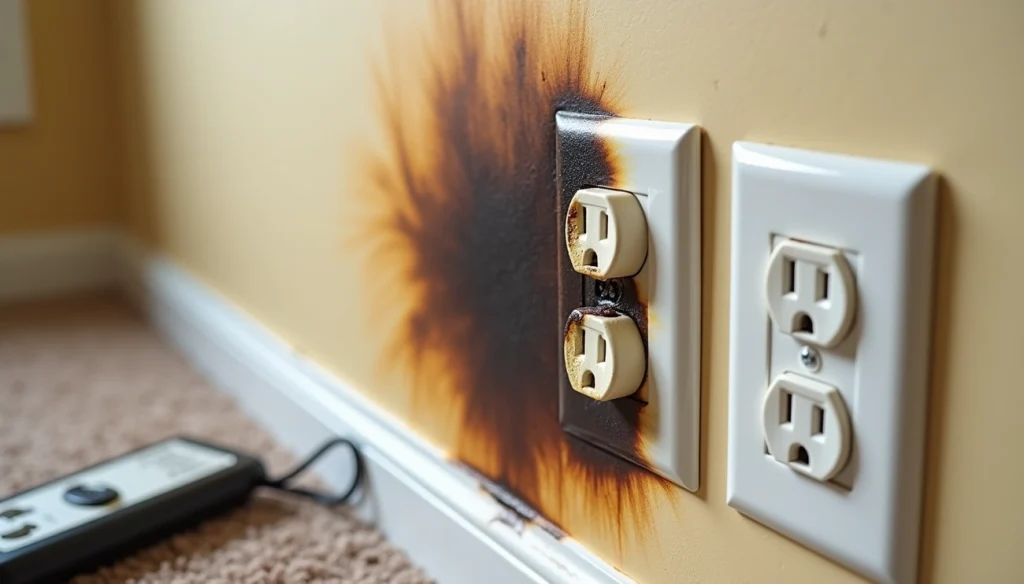
Black marks around your outlets? They’re more than just an eyesore – they signal a serious danger you shouldn’t ignore. The National Fire Protection Association (NFPA) lists electrical failures and malfunctions as leading causes of house fires in the United States.
Burn marks on outlets point to bigger electrical problems lurking behind your walls. These discolored spots could mean dangerous conditions exist – from overloaded circuits to loose connections or failing parts. Many San Gabriel Valley homeowners brush off these warning signs as minor problems. The reality? These marks represent real fire hazards. The biggest problem comes from people who ignore scorch marks. This oversight lets heat build up and pushes the system toward complete failure.
This piece shows you how to spot burnt outlet warning signs and what it all means. You’ll learn why it happens, which situations need immediate action, and ways to protect older homes in our area. Quick action keeps your family safe and guards your property from serious damage.
How to Identify a Burnt Outlet Before It Becomes a Hazard
A burnt outlet can lead to electrical fires and damage your home. You can prevent these hazards by recognizing the early warning signs. Burnt electrical outlets develop slowly, which gives you enough time to spot and fix problems before they become dangerous. Here are the key warning signs you should look for in your San Gabriel Valley home.
Discoloration or black marks on the outlet
Black, brown, or yellow marks around your outlet faceplate show that overheating has occurred. These scorch marks usually show up first near the plug insertion points or on the surrounding wall. The discoloration happens because loose connections or electrical arcing create excessive heat that burns the plastic. These marks aren’t just cosmetic problems – they signal a serious fire risk.
Warm or hot outlet surface
A properly working outlet should stay cool. An outlet that feels hot or warm shows that something’s wrong with the wiring or connections inside. This warmth signals improper energy flow through the circuit. The outlet might stay warm even without any devices plugged in, which points to overloaded circuits or bad wiring behind the walls. Without repairs, the heat will only get worse.
Unusual smells or crackling sounds
Your nose and ears can detect outlet problems before you see any damage. You should pay attention right away if you smell burning plastic, fishy odors, or chemical scents near an outlet – these usually mean melting wire insulation. The outlet also becomes dangerous when it makes buzzing, crackling, or popping sounds that show electrical arcing. These sounds happen when electricity jumps across loose connections and creates tiny sparks that produce both noise and heat.
Melted plastic or warped outlet cover
Physical damage to the outlet itself shows the most obvious sign of trouble. Serious overheating damages components and leads to warped, bulging, or melted outlet covers. The plastic melts because of too much current, bad wiring, or long-term overheating. A socket cover that looks stretched, bubbled, or misshapen likely faces temperatures high enough to melt plastic – this often leads to electrical fires.
These warning signs need immediate attention. Switch off power to that circuit at your breaker box and call Martin’s Electrical at (866) 922-5982 to get a professional inspection. Quick action can protect both your wallet and your family’s safety.
Hidden Electrical Dangers Behind Burnt Outlets
A burnt outlet might catch your eye, but the real danger lurks behind your walls. These burnt outlets signal a network of electrical problems that could put your San Gabriel Valley home at serious risk.
Arcing from loose or frayed wires
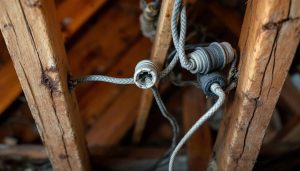
Electrical arcing happens when electricity jumps between conductors. Loose wire connections in outlets or damaged wiring often create this dangerous situation. Old or well-used wires become loose and can’t handle heat properly. The jumping electricity gets more and thus encourages more heat buildup, which melts outlets and creates fire hazards. The Electrical Safety Foundation International reports that arc faults start over 28,000 home fires each year.
Breaker failure to trip during overloads
Your home’s main safety device—the circuit breaker—might not always protect you. Circuit breakers should cut power during overloads, but loose connections or wrong breaker sizes can make them fail. Dust and physical damage can affect circuits in panels without covers, and damaged parts raise fire risks. Some breakers let low-voltage currents pass through that slowly build up heat without triggering safety switches. Heat accumulates quietly until it ignites nearby materials.
Melted insulation increasing short circuit risk
Heat damage spreads faster once it starts. Too much heat melts the wires’ protective coating, which creates dangerous new paths for electricity. This damaged insulation then guides electricity away from its safe route, causing short circuits. The melting can happen silently behind your walls, while damaged parts create even more heat in a vicious cycle. Short circuits cause burnt plugs and can set nearby materials on fire instantly.
These hidden risks show why you need a professional to check burnt outlets right away. When you see burn marks on an outlet, don’t risk a disaster—call Martin’s Electrical at (866) 922-5982. A full inspection will spot these hidden dangers before they harm your home or family.
When to Replace an Outlet vs. Inspect the Whole Circuit
You can save yourself from recurring problems by knowing when to replace a burnt outlet or check your entire electrical system. A single outlet problem doesn’t always mean your whole house has electrical issues, but burnt outlets can signal deeper electrical troubles.
Signs the outlet itself is damaged
Physical damage like cracks or discoloration points to a problem with that specific outlet. You might need to replace outlets that have loose connections and can’t hold plugs properly. A single warm outlet with burn marks while other outlets on the same circuit work fine usually means the problem is limited to that outlet.
When the issue may be panel-wide
Some situations call for a more detailed inspection. Your electrical system might have an overload or short circuit if the circuit breaker trips often when using certain outlets. Problems could extend beyond individual outlets if you notice damage to multiple outlets on the same circuit. Your electrical panel might struggle to distribute power if you see flickering lights throughout your home when running appliances.
How electricians determine the root cause
Electricians use special testing equipment to pinpoint electrical problems. They get a full picture by measuring voltage drops and grounding issues at different points. They also check the electrical box conditions and wiring behind problematic outlets. While outlet replacement seems like an easy DIY job, trained electricians can spot hidden warning signs.
Martin’s Electrical helps San Gabriel Valley homeowners, especially those with older homes. You can reach their technicians at (866) 922-5982 to find out if you need a simple outlet replacement or have a bigger electrical system issue.
Preventing Burnt Outlets in Older San Gabriel Valley Homes
The electrical systems in older San Gabriel Valley homes weren’t built to handle today’s technology needs. Your best defense against burnt outlets and fire hazards starts with good maintenance.
Schedule regular electrical inspections
Professional electricians need to check older electrical systems. A detailed electrical inspection every 3-5 years should look at outlets, wiring, and circuit breakers. These check-ups detect problems like loose connections or worn-out wiring early. Homes built before 1985 need extra attention because their systems weren’t designed to handle modern power loads.
Avoid overloading outlets with power strips
Burnt electrical outlets often happen because of overloaded circuits. High-wattage appliances should be spread across different outlets instead of cramming them into power strips. Power strips should never be connected to each other – this “daisy-chaining” creates fire hazards. Watch for warning signs like unusually warm outlets or lights that flicker when devices are plugged in.
Upgrade outdated two-prong outlets
Two-prong outlets without proper grounding still exist in many San Gabriel Valley homes built before 1962. These old outlets raise shock risks by a lot because they lack a ground wire that redirects electrical surges safely. Three-prong grounded outlets or GFCI outlets make better choices, especially in kitchens and bathrooms where water increases risks.
Replace outlets every 15–20 years
Standard outlets usually work for about 15 years, though some fail earlier. GFCI outlets last 15-25 years but need regular testing. Outlets might look fine but could fall short of current safety standards after this time.
Conclusion
Burnt outlets are serious warning signs that just need quick action. You can’t ignore them. This piece shows you how to spot dangerous signs before they turn into electrical fires. Watch out for discoloration, unusual warmth, strange smells, and melted plastic – they all point to hidden hazards in your walls.
Quick action to fix these problems keeps your family and property safe from devastating risks. Electrical fires spread fast and often start when people are sleeping, which makes them especially deadly. The safest approach is to treat every burnt outlet as an emergency.
San Gabriel Valley homeowners with older properties face extra risks from outdated wiring. These homes weren’t built to handle today’s appliance loads, which increases the chances of overheating and outlet damage. The aging parts wear down over time and create weak points all through your electrical system.
Burnt outlets rarely show up alone. They often point to deeper electrical problems that need expert diagnosis. Replacing one outlet might look easy, but only a qualified electrician can tell if the problem runs into your circuit breaker panel or wiring.
Martin’s Electrical knows how to handle these issues for San Gabriel Valley residents. Our team understands local homes’ unique challenges and can give you a full picture of your electrical system’s hidden dangers. Without doubt, professional help brings peace of mind that DIY fixes can’t match.
Don’t wait for smoke or flames. Call Martin’s Electrical at (866) 922-5982 to get a complete electrical safety inspection. Your home’s electrical system costs less to prevent problems than to fix them.