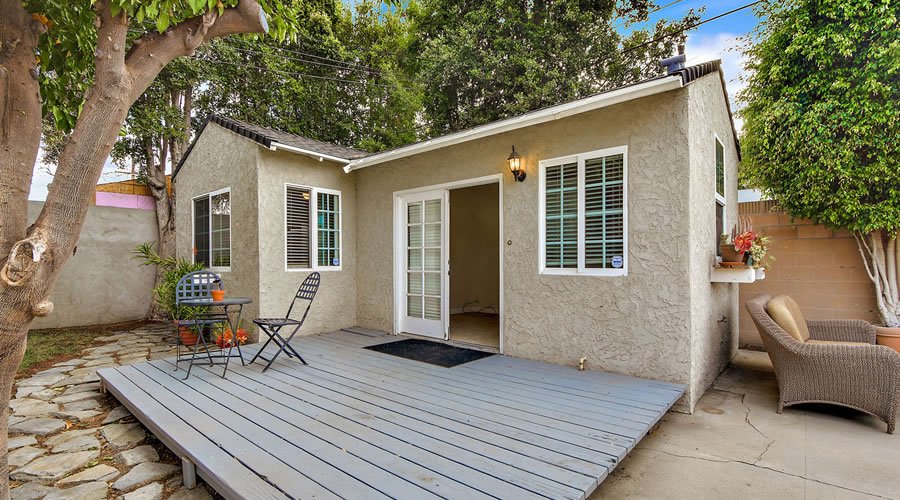
You might be surprised to learn about California’s ADU electrical requirements and their growing importance. The numbers tell an interesting story – ADU permits jumped from 1,336 to 26,924 between 2016 and 2023, marking a 20-fold increase. ADUs made up 20% of new housing builds in California during 2023 alone.
San Gabriel Valley homeowners often run into unexpected challenges with their ADU electrical systems. Your ADU needs a 100-200 amp panel to run safely and meet California’s requirements. On top of that, it can get pricey to install a separate electric meter, with costs ranging from $2,000 to over $5,000. Many contractors don’t mention these costs upfront. Safety and compliance drive these power requirements, and getting them wrong can lead to expensive mistakes.
A well-planned ADU can boost your property’s value by 20% to 30%. In this piece, we’ll explore those hidden electrical requirements your contractor might skip over. This knowledge will help you plan better and dodge costly surprises throughout your project.
Not Planning for a Separate ADU Electric Meter
San Gabriel Valley homeowners building an ADU in California often face unexpected costs by not planning for a separate electric meter. This small detail can affect your project budget and future utility options by a lot. Let’s get into the electrical meter requirements that many overlook until it’s too late.
Why San Gabriel Valley Homes Often Require Separate Meters
San Gabriel Valley homeowners benefit from having a separate meter that adds value to their property and helps with current usage.
A separate meter lets you bill tenants separately when renting out your ADU. Brett Duguay, a veteran installer, puts it simply: “If you’re renting it out, you definitely want that separate meter”. Your tenants will pay for their own electricity instead of sharing your bill.
A separate meter adds flexibility and resale value even if your family members plan to live in the ADU. Many homeowners in San Gabriel Valley find this requirement late in their building process, which leads to delays and higher costs.
SDG&E Rules for Detached ADUs in California
SDG&E has specific requirements that homeowners need to know about accessory dwelling units. Current guidelines state that most new ADUs require a separate meter, especially for detached units or rental properties.
SDG&E confirmed in March 2023 that all new ADU construction needs a separate electric meter. In spite of that, you can skip this requirement if your existing electrical service and panel can handle the extra load from the ADU. The choice becomes yours in such cases.
The rules are stricter for detached ADUs—standalone living spaces built in backyards. Whatever type of ADU you have, you’ll need SDG&E Builder Services to approve your new services.
Cost Range for Meter Installation and Trenching
Separate meter installation costs surprise many homeowners. Here’s what you should expect to pay:
- Basic meter installation: $2,000-$4,000 for a separate meter
- Monthly service fee: $15-$25 additional service charge
- Trenching costs: $50-$100 per foot for underground service
- Total installation: Can get pricey at $10,500-$15,000 in some areas
These prices include working with SDG&E, trenching, electrician’s installation, and sometimes fixing stucco or siding on the main home.
Here are your options if you don’t need a separate meter:
- Shared meter: No extra cost but not allowed for separate rentals
- Sub-meter: $500-$800 installation cost, tracks usage
Our team at Martin’s Electrical has helped many San Gabriel Valley homeowners guide through these requirements. Planning ahead for meter installation saves thousands and keeps your ADU project on schedule. Call us at (866) 922-5982 to ask about your ADU’s electrical requirements if you’re unsure about your situation.
Skipping the Electrical Load Calculation Step
A common mistake that can ruin ADU projects is not calculating electrical loads correctly. This technical step shows if your current electrical system can handle the extra power your new living space needs. Let’s get into why these calculations matter and what happens if you skip them.
What Goes Into an ADU Load Calculation
The electrical load calculation shows how much power your ADU will use. You need to add up the wattage of all electrical components:
- Basic lighting and outlets: The calculation uses 3 watts per square foot of living space
- Kitchen circuits: Each small-appliance circuit adds 1,500 watts
- Major appliances: Specific power needs for refrigerators, ovens, dishwashers, and HVAC systems
- Laundry equipment: Washers and dryers just need dedicated 20-30 amp circuits
- EV charging: If you plan for it, you’ll need an extra 30-50 amp circuit
We calculated that ADUs need enough power without overloading the system. This usually means installing a 125-amp sub-panel instead of the basic 100-amp option.
Common Appliances That Push You Over 100 Amps
Most ADUs use 80-100 amps at peak times. Some appliances can quickly push you past this limit:
Electric ranges and ovens use lots of power and just need 40-50 amps each. Heat pumps and air conditioning units also use substantial power, especially when starting up – they need 3-5 times their normal running current.
Electric water heaters, clothes dryers, and EV charging stations add up to a big power load. So many electricians suggest installing a 125-amp sub-panel instead of the minimum 100-amp option. This keeps systems from running at full capacity all the time.
Why Overloading Can Lead to Failed Inspections
Poor load calculations often cause failed electrical inspections and expensive ADU project delays. If your system is overloaded, circuit breakers trip often – a clear warning that your panel isn’t big enough.
Undersized electrical panels create dangerous safety risks. Large appliances that draw more power than your system can handle might make wiring overheat and cause electrical fires.
Building inspectors in California check if your electrical system meets California Building Standards Code requirements, including proper load calculations. Projects often fail permit reviews or final inspections when this step is missed.
Our team at Martin’s Electrical has helped many San Gabriel Valley homeowners fix inadequate electrical plans after failed inspections. Our licensed electricians do official electrical load calculations to make sure your ADU is safe. Call us at (866) 922-5982 to ask about your ADU’s electrical needs.
Assuming Your Main Panel Can Handle the ADU
San Gabriel Valley homeowners waste time and money because they think their electrical panel can handle a new ADU without changes. This mistake results in failed inspections, project delays, and extra costs. Your panel’s capabilities are vital to understand before starting your ADU project.
When a Subpanel Is Not Enough
A subpanel alone might not meet your ADU’s electrical needs. Subpanels work great for attached ADUs or conversions that have good wiring, but they do have limits. Your existing service panel might not support additional electrical loads based on residential load calculations, making an upgrade mandatory. A detached ADU’s subpanel needs its own grounding electrode system and might require a main circuit breaker (minimum 60 amperes) if you need more than six circuit breakers.
Detached ADUs located more than 150 feet from the main house face issues with voltage drop and safety when using a subpanel. These situations might require a separate meter and dedicated service, despite higher costs.
125A vs 200A Panel: What’s Right for You?
Your ADU’s electrical needs determine which panel size works best:
- 100-125A Panel: Works well for smaller ADUs (500-800 sq ft) with simple electrical needs. Most ADUs use about 80-100 amps of power. The code allows 100-amp panels, but electricians suggest 125-amp subpanels to avoid running at full capacity and allow room for additions.
- 200A Panel: Makes sense for larger ADUs or ones with power-hungry appliances like electric heating, EV charging, or full kitchens with electric ranges. You’ll have extra capacity for future electrical needs without needing another upgrade.
A 200-amp panel costs more upfront but provides value by supporting growing electrical demands. Upgrading from a 125A to a 200A panel later costs 30-40% more than installing the larger panel from the start.
Permit Requirements for Panel Upgrades
Your local building department requires permits for all electrical panel upgrades. The permit process involves:
- Submitting electrical plans showing load calculations
- Getting approval before work begins
- Scheduling inspections during and after installation
Panels rated at 400 amps or less, 120/240V, single phase don’t need electrical plan checks. Your panel must include a surge protection device and connect to all available grounding electrodes according to California electrical code.
Simple permits might work for minor upgrades like adding circuits to existing panels. Full service upgrades need utility company coordination, which can take six months or longer.
Need help figuring out these requirements or want your current panel’s capacity evaluated? Contact Martin’s Electrical at (866) 922-5982.
Ignoring Title 24 and Solar Readiness Rules
Title 24 compliance creates unexpected hurdles for San Gabriel Valley homeowners who overlook it during ADU planning. Your project budget and timeline can change by a lot due to energy efficiency standards that include vital solar and battery storage requirements.
Which ADUs Must Be Solar-Ready in California
California’s solar mandate applies to many ADUs, though not all need solar panels. Since 2020, new detached ADUs built with traditional stick-built construction need solar photovoltaic (PV) systems. Your ADU’s conditioned floor area and climate zone determine the required system size.
Solar panels become mandatory for new ADUs larger than 1,125 square feet, whatever the climate zone. ADUs between 620-1,125 square feet might need solar based on their San Gabriel Valley climate zone.
A helpful exception exists in the calculations: ADUs needing less than 1.8 kilowatts of PV system size don’t need solar panels. This exception helps ADUs smaller than 620 square feet.
Battery Backup Requirements Under Title 24
California now requires Energy Storage System (ESS) readiness for new ADUs. This rule affects new construction homes, duplexes, and ADUs but leaves out alterations and additions.
ESS readiness rules demand:
- A minimum of four designated branch circuits collected at a single panel
- Circuits must include refrigerator, egress lighting, and bedroom receptacle
- Either 60-amp backup capacity with four branch circuits OR a dedicated raceway from main service to subpanel
- Main panel with 225-amp minimum busbar rating
Your main panel’s 200-amp rating works if its busbar can handle 225 amps. ADUs connected to the main house through a subpanel don’t need another 225-amp panel, provided the main panel meets busbar requirements.
Exemptions for Garage Conversions and JADUs
Title 24’s solar requirements don’t apply to several ADU types. Garage conversions, both attached and detached, count as alterations instead of new construction and avoid solar mandates. Junior ADUs (JADUs) and internal home conversions get complete exemption.
These projects also avoid requirements:
- ADUs created by converting existing structures
- Manufactured or prefabricated ADUs (regulated under Title 25)
- ADUs with limited solar access due to shading
Questions about solar panels or battery readiness features for your ADU project? Call Martin’s Electrical at (866) 922-5982 to discuss your property and ADU plans.
Overlooking GFCI, AFCI, and Outlet Spacing Rules
Safety devices play a crucial role in electrical systems for ADUs, yet many overlook them during planning. These devices often cause failed inspections and fixes can get pricey after construction.
Where GFCI and AFCI Are Required in ADUs
Ground Fault Circuit Interrupters (GFCIs) monitor current leakage to protect against electrical shock. Moisture-prone areas require these devices. California ADUs must have GFCIs installed in:
- Bathrooms (within 3 feet of sink basins)
- Kitchens (all countertop outlets)
- Outdoors (with weatherproof “extra duty” covers)
- Garages and unfinished basements
- Within 6 feet of any sink, bathtub, or shower
- Laundry areas and wet locations
Arc Fault Circuit Interrupters (AFCIs) detect dangerous arcing to prevent electrical fires. You’ll need these on all 120-volt, 15 and 20-amp circuits in:
- Bedrooms and sleeping areas
- Living rooms and family rooms
- Kitchens and dining rooms
- Hallways, closets, and dens
Outlet Spacing Rules for Kitchens and Living Areas
Your ADU’s safety and convenience depend on proper outlet placement. California code specifies these requirements:
- Wall outlets no more than 6 feet apart horizontally along any wall space wider than 2 feet
- Kitchen countertops must have outlets at least every 4 feet
- Any kitchen countertop wider than 12 inches requires at least one outlet
- Bathrooms need at least one outlet within 3 feet of the sink
Common Code Violations in Small Units
Small ADUs commonly face these violations:
- Inadequate GFCI protection in kitchens and bathrooms
- Missing tamper-resistant receptacles (required in all new construction)
- Insufficient dedicated circuits—two small appliance circuits for kitchen, one for bathroom, one for laundry
- Improper AFCI coverage in living spaces
Martin’s Electrical can review your plans before construction starts to ensure inspection success. Our electricians know California’s electrical requirements for ADUs and help prevent expensive corrections. Need help with your project? Call us at (866) 922-5982.
Not Planning for Future Electrical Needs
Smart electrical planning for your ADU will save you money and prevent headaches down the road. Most homeowners in California just meet basic requirements and miss important future needs that become expensive to add later.
EV Charger Readiness and 60A Backup Capacity
New California building codes will require EV charging infrastructure in all residential units by 2026. Each unit must have a 240V/20A outlet or charger. Your ADU construction should include pre-wiring for EV charging now. The rules require conduit running from the subpanel to a future charging location. You’ll need an electrical panel with capacity for a 40-ampere 208/240-volt dedicated branch circuit and space for a branch circuit overcurrent protective device.
California’s 2022 Energy Code also requires new ADUs to be ready for energy storage systems (ESS). The infrastructure must support future battery backups with “a minimum backed-up capacity of 60 amps and a minimum of four ESS-supplied branch circuits”.
Smart Home Wiring Considerations
Smart panels and circuit breakers help you track energy usage and optimize efficiency. These systems combine smoothly with home automation platforms so you can control your ADU’s electrical systems remotely. Adding data cables alongside power wiring now prevents expensive modernization later.
Why Overbuilding Now Saves Money Later
Extra electrical capacity beyond minimum requirements creates value over time. The code might allow a 100-amp panel, but most professionals recommend installing a 125-amp subpanel for ADUs. This keeps systems from running at maximum capacity and leaves room for future additions.
Need expert help to future-proof your ADU’s electrical system? Call Martin’s Electrical at (866) 922-5982.
Conclusion
Proper ADU electrical system planning saves thousands of dollars and prevents frustrating delays. This piece reveals six critical electrical requirements that many contractors don’t mention upfront. You gain a clear advantage by understanding separate meters, proper load calculations, adequate panel capacity, Title 24 compliance, safety device requirements, and future electrical planning while building your ADU in the San Gabriel Valley.
These requirements serve a vital purpose beyond mere bureaucracy – they safeguard you and your property. Systems with insufficient power create real fire hazards. Poor planning results in failed inspections and expensive post-construction modifications.
The complex electrical requirements can seem daunting. San Gabriel Valley’s homes present unique challenges due to their age, existing electrical setup, and local building codes. Simple electrical work might look doable, but ADU electrical systems need professional expertise to meet safety standards and comply with codes.
A licensed electrician familiar with California ADU regulations should review your plans early. This helps you avoid finding issues during construction or after a failed inspection. Martin’s Electrical has guided hundreds of local homeowners through ADU electrical requirements. Their projects pass inspection on the first try and stay within budget.
Do you have questions about your ADU’s electrical needs? Martin’s Electrical team of licensed electricians knows San Gabriel Valley’s building requirements inside out. Call (866) 922-5982 to get a consultation tailored to your property and avoid mistakes that often delay ADU projects.