Two homes rated for “200 amps” on paper might behave completely differently in real-life situations regarding load calculation electrical capacity.
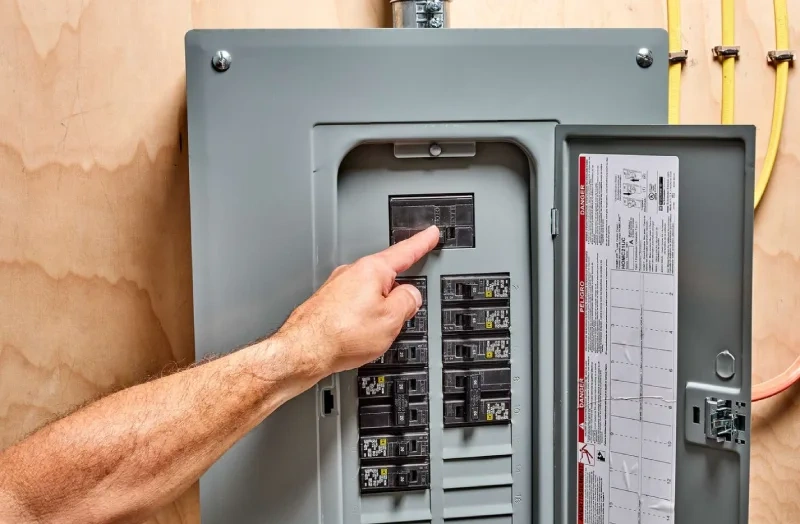
Your safety depends on understanding electrical load calculations, especially if you plan to add an EV charger, upgrade your HVAC system, or convert your garage into a living space. The electrical load calculation electrical panel assessment measures your home’s safe power capacity and identifies necessary changes. This crucial process determines the total power your building’s electrical system can handle safely without overheating. Overloading your electrical system due to improper load forecasting can lead to serious issues like fires and damaged appliances.
Load forecasting serves as a crucial roadmap for future power system expansion. Circuit overloads can trigger breaker trips and create fire hazards if you add electrical components without proper system analysis. The 80% rule stands as a key safety guideline – continuous loads should stay within 80% of a circuit’s rating. Martin’s Electrical offers professional assessments to help you understand your home’s electrical capacity and avoid dangerous situations effectively.
What Electrical Load Calculations Actually Measure
Electrical load calculations tell us much more than numbers on paper. These calculations show exactly how much power your electrical system must handle safely during peak usage, which helps determine the right size for conductors, transformers, and protection devices.
Lighting, HVAC, and appliance demand categories
Your home’s electrical loads fit into specific categories, and each one works differently:
- Lighting loads: Typically calculated at 66% diversity since not all lights run simultaneously
- HVAC systems: Often run at full load because they draw sustained current
- Fixed appliances: Ranges, water heaters, and other major appliances
- Receptacle loads: General-purpose outlets and dedicated circuits
HVAC demands become most important in San Gabriel Valley homes, especially when you have hot summers. Each category follows its own rules during calculation. Electricians must also spot continuous loads—ones that run for three hours or more—because these need special planning attention.
How demand and diversity factors affect totals
Demand factor and diversity factor are the foundations of your electrical load calculations.
The demand factor shows the relationship between maximum demand and total connected load. This means not everything runs at full power at once. A home with 6000W of connected equipment might only need 3300W at peak times, which gives us a 55% demand factor.
Diversity factor works its own way by showing how individual maximum demands relate to the system’s peak. This number usually exceeds one because different loads peak at different times. Residential loads have higher diversity factors than industrial ones—usually around 2.0 between individual users.
San Gabriel Valley homeowners thinking over upgrades should know these factors explain why their electrical panel often handles more devices than its rating might suggest.
Why continuous loads follow the 80% rule
Electricians call it the “80% rule” when dealing with continuous loads—those running at maximum current for three or more hours. This safety measure exists because overcurrent protection devices can fail if they run above 80% of their rating for too long.
UL guidelines state that circuit breakers should stay under 80% of their current rating during normal operation that lasts three hours or more. So the NEC requires branch circuits to handle 125% of continuous loads (which matches the 80% rule mathematically).
This means your 100-amp electrical panel should not carry more than 80 amps of continuous load. This safety margin protects your home’s electrical system from overheating damage.
Common Triggers That Reveal Load Limits
Your home’s electrical system sends clear warning signs when it reaches capacity limits. San Gabriel Valley homeowners can avoid dangerous overloads and emergency repairs that get pricey by spotting these signs early.
Adding EV chargers or electric appliances
Electric vehicle chargers put one of the biggest strains on residential electrical systems today. A Level 2 EV charger needs its own 40-60 amp circuit and uses up to half of an older 100-amp panel’s capacity by itself. Single-phase AC charging pulls up to 7 kW, while DC fast charging needs 50-350 kW—this could exceed your home’s entire electrical capacity.
The switch from gas to electric appliances adds a heavy load to your system. People are moving away from gas-powered equipment:
- Gas stoves to induction cooktops
- Gas water heaters to electric models
- Gas furnaces to electric heat pumps
Your older electrical service panel might struggle to support these changes.
Upgrading HVAC or installing hot tubs
Modern HVAC systems create special power demands, especially heat pumps. Heat pumps can pull up to 60 amps during startup based on their size and style. This high startup current explains why lights dim briefly when your air conditioner starts running.
Hot tubs bring their own set of challenges. They need:
- A dedicated 40-60 amp circuit
- GFCI-protected breakers
- Four-wire installation with specific gage requirements
Houses older than 40 years—common throughout San Gabriel Valley—usually need electrical panel upgrades to safely support these features.
Home additions and garage conversions
Turning garages into living spaces or workshops changes your power needs completely. Your existing electrical panel’s capacity needs assessment before these projects begin.
These converted spaces require:
- Strategic outlet placement
- Proper circuit sizing for workshop equipment
- Smart circuit layout to prevent overload
Detached buildings need load calculations that account for basic lighting (3 watts per square foot) plus equipment requirements.
Martin’s Electrical can assess your system’s capacity through professional load calculation if you’re planning any of these changes. Give us a call at (866) 922-5982 before your next project starts.
Risks of Skipping Load Calculations Before Upgrades
Homeowners in San Gabriel Valley put themselves at risk by skipping proper load calculations before electrical upgrades. A simple shortcut could spell disaster for your family and property.
Overloaded circuits and fire hazards
Overloaded electrical circuits cause many house fires in America. The National Fire Protection Association’s data shows about 47,700 home fires happen each year in the U.S. because of electrical failures or malfunctions. These fires kill 418 people, injure 1,570, and destroy $1.40 billion worth of property annually.
Your home’s wires can overheat if circuits carry too much current. This melts insulation and can set nearby materials on fire. You should watch out for these warning signs:
- Circuit breakers that trip often
- Outlets that look discolored or feel warm
- Burning smells coming from electrical panels or outlets
Voltage drops and equipment damage
Your system will experience voltage drops that damage expensive electronics without a proper electrical load calculation plan. This happens because too much power use forces voltage below safe levels.
Voltage drops lead to:
- Flickering or dim lights that show strained circuits
- Your appliances get damaged from uneven power flow
- Electronic equipment fails early
- Extra heat speeds up part wear and tear
Insurance and code compliance issues
Insurance providers look carefully at electrical systems to check risk levels. Old or non-compliant electrical panels raise fire risks by a lot, making them a big liability.
Insurance companies often won’t cover homes with poor electrical systems. They might also deny claims if electrical fires happen because of installations that don’t meet code. Your local building department requires all new electrical systems to follow code rules. Breaking these regulations can lead to big fines, delays in projects, and legal problems.
Martin’s Electrical can give you a full picture of your electrical load needs. Call (866) 922-5982 to keep your home safe and up to code.
Smart Load Planning for Future-Proofing
Smart electrical planning today can save San Gabriel Valley homeowners thousands in emergency upgrades down the road. Aging infrastructure and rising power needs create unique challenges for local residents.
When to think over a 200A or 400A service
Most homes built in the last 30 years use 200A service, which remains standard in new construction. But some situations call for upgrading to 400A:
- Large homes: Residences exceeding 5000 square feet need more capacity
- Luxury additions: Multiple EV chargers, heat pumps, hot tubs, and all-electric appliances
- Future expansion: Converting garages or adding significant square footage
The price gap between 200A and 400A during original construction is about $500, yet upgrading later costs around $6,700. It also makes sense that homes with 400A service typically use two 200A panels rather than a single larger one.
Using subpanels for space vs capacity
Subpanels give you flexibility without requiring full service upgrades. They serve two main purposes:
First, they provide additional circuit space when your main panel is full. A subpanel extends your existing capacity more economically than upgrading your entire service.
Second, subpanels help you distribute power throughout larger homes effectively. A subpanel near high-demand areas like workshops cuts voltage drop and makes troubleshooting easier.
Subpanels eliminate running multiple circuits independently for detached structures like garages. Note that neutral and ground wires must stay separated in subpanels.
How electricians use load calculation tools
Professional electricians depend on specialized software to perform accurate load calculations. These digital tools:
- Apply current National Electrical Code requirements automatically
- Calculate demand factors and derating requirements
- Generate exportable panel schedules and load summaries
- Flag potential code violations before inspection
Load management systems provide another solution, costing $600-$1000 versus $8000 for panel upgrades. These smart systems automatically change power between appliances to keep your home within safe electrical limits.
Martin’s Electrical can help you assess your home’s electrical capacity. Give us a call at (866) 922-5982.
Conclusion
Electrical load calculations are the foundations of your home’s electrical safety system. Older homes across San Gabriel Valley with outdated panels struggle to handle modern power-hungry devices. Your plans to add EV chargers, upgrade HVAC systems, or convert spaces like garages make these calculations necessary.
The 80% rule protects your home from dangerous overheating, especially during intense summer months. A panel rated for 100 amps should not exceed 80 amps of continuous load. Your family stays at risk of overloaded circuits, fire hazards, and equipment damage without proper calculations.
Smart homeowners take action before emergencies strike. A 200A or 400A service upgrade costs substantially less now than emergency replacements in the future. Many homes can benefit from subpanels as economical solutions without complete service upgrades.
Martin’s Electrical knows the unique challenges that San Gabriel Valley homeowners face with aging infrastructure. Our team performs precise load calculations to check if your current system supports your lifestyle needs safely or needs upgrades. Let us help you ensure a safe and compliant electrical system before you add that EV charger or convert your garage. Call us at (866) 922-5982 to get ready for whatever comes next.