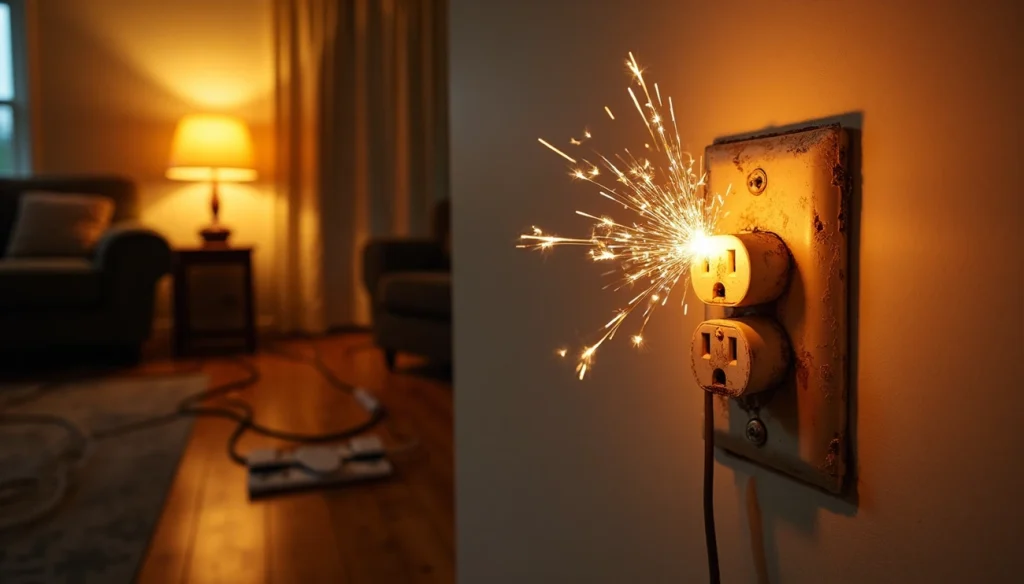
Faulty electrical systems start 51,000 house fires annually. Your home’s wiring might look fine from outside, but dangerous issues could hide behind the walls. A house electrical inspection helps you spot hazards before they get pricey or dangerous.
Your electrical system’s last inspection date matters a lot. Homes over 25 years old should have regular safety inspections. Houses older than 40 years need yearly checkups to keep everything running safely. The cost varies based on your location, house size, and system complexity. This investment helps prevent serious issues like electrical shocks and fires. On top of that, a sudden spike in power bills could point to system problems that an inspection can uncover.
In this piece, you’ll find warning signs that need quick attention. You’ll learn what professionals check during an inspection and the best time to schedule one. Getting to know your home’s electrical system goes beyond prevention – it keeps your family and property safe.
8 Warning Signs You Need a Home Electrical Inspection
Your electrical system sends warning signals before major problems occur. You can prevent dangerous situations by spotting these signs early.
Flickering or dimming lights across your house could mean you have loose wiring, an overloaded circuit, or voltage fluctuations. Your nose might catch burning odors near outlets or electrical panels that signal overheating components or damaged wiring – never ignore these.
Listen for buzzing or crackling sounds from switches or outlets as they point to loose connections or dangerous electrical arcing. Your warm or hot outlets signal excessive current flow and create serious fire hazards.
Your circuit breakers trip to protect you. Frequently tripped breakers mean your circuits might be overloaded or have dangerous short circuits.
Watch out for sparking outlets, especially if sparks appear large, yellow, or come with burning smells. Your discolored outlets or switch plates with scorch marks reveal heat damage from electrical problems.
Small electrical shocks matter too. Even minor ones that happen when you touch appliances or switches show potentially dangerous ground faults.
Call a licensed electrician right away if you notice any of these warning signs. These symptoms often reveal serious problems that could trigger electrical fires, causing approximately 51,000 house fires annually.
What Does an Electrical Inspection Entail?
A professional electrical inspection gives you a full picture of your home’s electrical system. It helps identify potential risks and code violations.
Your inspector starts with a visual assessment of the electrical panel. They look for proper circuit labeling, adequate clearance, and any signs of overheating or water damage. The main bonding jumper’s installation gets verified along with proper grounding.
Throughout your home, the inspector will:
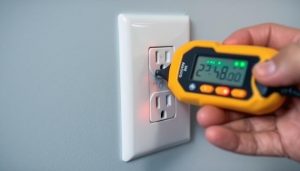
- Test outlets using specialized equipment to verify voltage (properly working outlets register 110-120 volts), polarity, and grounding
- Check that GFCI protection exists in wet locations like kitchens and bathrooms
- Verify AFCI protection in bedrooms and living areas to prevent arc faults
- Inspect wiring for proper gage (14-gage for 15-amp circuits, 12-gage for 20-amp circuits)
- Examine junction boxes for accessibility and proper mounting
- Test smoke and carbon monoxide detectors
Your home’s electrical system should have enough circuits to handle its power needs. The inspector ensures dedicated circuits exist where appliances need them. They also verify proper cable anchoring – the first staple must be within 8 inches of a box and at least every 4 feet after that.
Homeowners can do simple visual checks, but electrical inspections need licensed professionals. These experts understand safety codes and use specialized testing equipment effectively.
When to Schedule an Electrical Safety Inspection
Regular electrical safety inspections keep your home and family safe from electrical hazards. Most homes need an inspection every 3-5 years.
Your home’s age substantially affects how often you need inspections:
- Homes over 25 years old need inspection every 2-3 years
- Very old homes (30+ years) might need annual inspections
You should schedule immediate electrical inspections in several specific situations:
Schedule an inspection while buying or selling property to spot potential problems before closing the deal. Buyers can use this to negotiate better prices and sellers can fix issues that might reduce property value.
Your system needs a checkup after renovations or adding major electrical appliances to ensure it handles the new load. Getting an inspection before big upgrades helps identify repairs early and saves money.
Bad weather needs quick action. You should get an inspection after floods, lightning strikes, or power line damage from fallen tree limbs. Water damage creates serious risks because moisture can seep into walls and outlets, which leads to shock and fire hazards.
Regular inspections based on these timeframes help maintain a safer electrical system and prevent expensive emergency repairs.
Conclusion
Your home’s electrical system needs regular attention. The dangers of electrical malfunctions make this especially important. We’ve highlighted several warning signs that need immediate professional help in this piece – from flickering lights and burning odors to hot outlets and frequent circuit breaker trips. Never ignore these signals. They often point to serious problems that could lead to electrical fires or shocks.
Professional electrical inspections give you a complete evaluation of your system. They check everything from proper grounding to outlet functionality and circuit adequacy. Getting proactive inspections can spot potential hazards before they become dangerous or costly to fix. You don’t have to wait for problems to show up.
The frequency of these inspections depends on your home’s age. Newer homes need inspections every 3-5 years. Homes older than 25 years should get checked more often, every 2-3 years. You should also get a professional assessment after property purchases, renovations, or severe weather damage.
Simple visual checks help spot obvious problems. But electrical systems need specialized knowledge and equipment for proper assessment. Licensed electricians know safety codes and can find hidden problems that untrained eyes might miss.
Electrical inspections cost money now but save you a lot more down the road. They prevent fires, protect expensive appliances, and help avoid emergency repairs. These inspections are investments in your family’s safety and your home’s longevity. The peace of mind from knowing your electrical system works safely is priceless.