Did you know electrical failures cause about 13% of home structure fires? These fires lead to hundreds of deaths and billions in property damage each year. Your electrical rough in inspection isn’t just paperwork—it’s a vital safety check that protects your family and property from devastating hazards.
Many San Gabriel Valley homeowners feel overwhelmed when preparing their electrical rough in inspection. They’re often unsure what inspectors look for or what might lead to failure. Failed inspections happen due to overloaded circuits, outdated wiring systems, and missing safety devices like GFCIs in wet areas. But here’s the good news – 95% of inspections pass on their first try with the right preparation.
This piece will help you find everything you need to know about electrical rough in inspections. You’ll learn what causes inspection failures and the steps needed to pass smoothly. Remember, finding these problems early during rough-in inspections saves you money and prevents major issues later.
Why Electrical Rough-In Inspections Matter
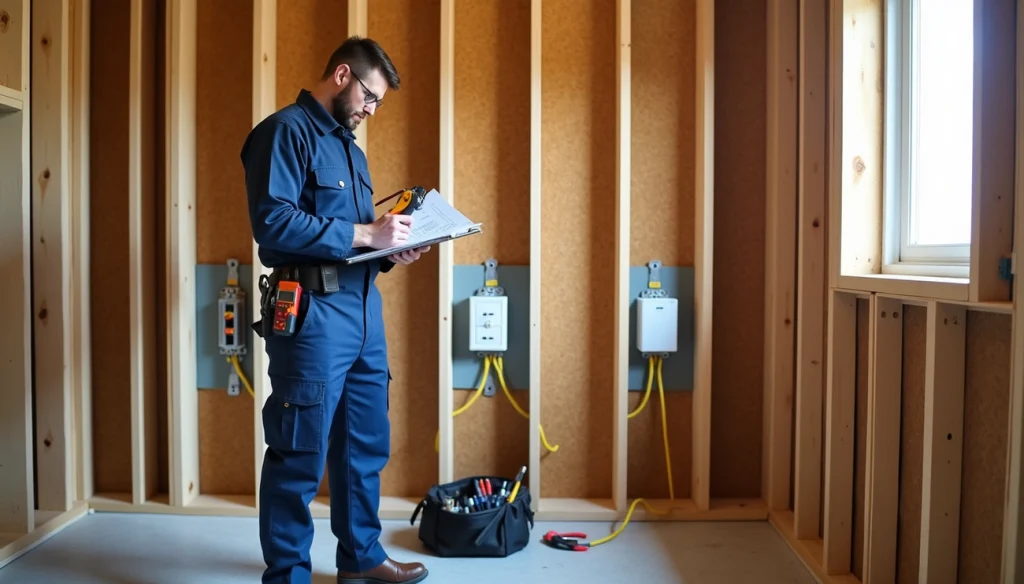
Electrical rough-in inspections do more than prevent fires – they serve as a vital quality control checkpoint in your building project. These inspections happen after all branch circuit wiring and outlet boxes are installed, but before insulation, drywall, or other materials cover them. Finding and fixing problems at this stage costs much less than dealing with them later.
Studies in the construction industry show that rework eats up 3-12% of a project’s total costs. Projects that need rework usually run 10-15% behind schedule. Your project can avoid these expensive delays when electrical issues are caught during rough-in.
On top of that, rough-in inspections make sure your electrical system meets California’s building standards. These standards get updated every three years to include better life-safety measures. San Gabriel and other cities in the Los Angeles Basin have added their own changes to these codes because they sit near seismic faults.
These inspections verify that:
- All cables are properly installed and supported
- Required outlet boxes are securely fastened
- Bonding connections are completed
- Protection against nails/screws is installed where needed
So passing your rough-in inspection means more than just checking a box—it ensures your home’s electrical infrastructure stays reliable and safe for years to come. Martin’s Electrical can guide you through any questions before your official inspection.
What Inspectors Look for During Rough-In
At the time an inspector visits your San Gabriel Valley home, they start a mission to check if your electrical system works safely and meets all requirements. Learning about their checklist helps you get ready.
We checked that proper wire routing and protection are in place. The rules say all cables need secure attachments within 12 inches of boxes and every 4½ feet after that. On top of that, it matters that wires going through studs stay at least 1¼ inches from the edge or have metal nail plates to protect them.
Your junction boxes need careful attention. Each box must be:
- Properly sized for wire capacity (overcrowded boxes violate code and create fire hazards)
- Securely mounted to structural components
- Available (never hidden behind drywall or permanent materials)
- Correctly grounded if metal
The inspector makes sure your grounding and bonding system follows NEC Article 250 requirements. This system keeps you safe from shocks and lets overcurrent devices work correctly.
Your circuit protection needs GFCI outlets in wet areas like kitchens and bathrooms. AFCI protection must cover living spaces to stop electrical fires.
Wire sizing matters too—#12 wire minimum goes in kitchen, laundry and bathroom circuits, while #14 works for other branch circuits.
Martin’s Electrical can check everything before the official inspection if you need help. We’ll spot and fix any problems early.
Steps to Pass Electrical Rough-In Inspection
Getting ready for your electrical rough-in inspection helps you pass on the first try. Start by collecting your blueprints, electrical plans, and permits that show the planned locations of wires, outlets, and switches. These documents help inspectors check your work against approved plans.
Make the work area spotless before scheduling the inspection. A clean space without debris makes all components available for review. This simple step speeds up the process and shows you’re a pro.
Take plenty of photos of your installation before the inspector shows up. You might need these shots later to check wire routing, box locations, and circuit grouping or to fix any issues.
Connect all ground wires properly in each box. Keep other wires (hot and neutral) separate and put wire nuts on all wire ends even when conductors aren’t exposed.
Meet fire blocking requirements by sealing holes between floors where wires run through. Use fire block expanding foam or fiberglass insulation.
Remember to keep devices uninstalled and circuits unpowered before inspection. Your circuit breakers should stay off until you get the inspector’s approval.
Do your own walkthrough to check box availability, wire support, and grounding. Finding problems yourself prevents delays later.
Need to make sure your work meets code? Martin’s Electrical offers professional pre-inspection reviews to catch issues before the official inspector arrives.
Conclusion
Getting your electrical rough-in inspection right the first time saves you time, money, and headaches. This piece shows how good preparation prevents work from getting pricey and keeps your schedule on track. Your home stays safe from electrical hazards too. You’ll stay ahead of the game by knowing what inspectors check – from wire routing to box requirements and grounding systems.
Electrical inspection failures usually come from basic, avoidable problems. A clean workspace, proper paperwork, and close attention to details can make or break your inspection. Take photos of your installation before the inspector shows up. Do your own walkthrough with our checklist.
These inspections exist to keep everyone safe. Each year, thousands of house fires in Southern California start from electrical problems. Your family needs to know their home’s electrical system meets today’s safety standards.
Worried about your upcoming inspection? Martin’s Electrical can spot potential problems before the inspector arrives. Our team knows San Gabriel Valley’s requirements inside and out. We understand the common inspection mistakes too. Call us at (866) 922-5982 to ask questions, get a pre-inspection review, or receive professional guidance. Let’s work together to get your electrical system approved and keep your power running safely for years.