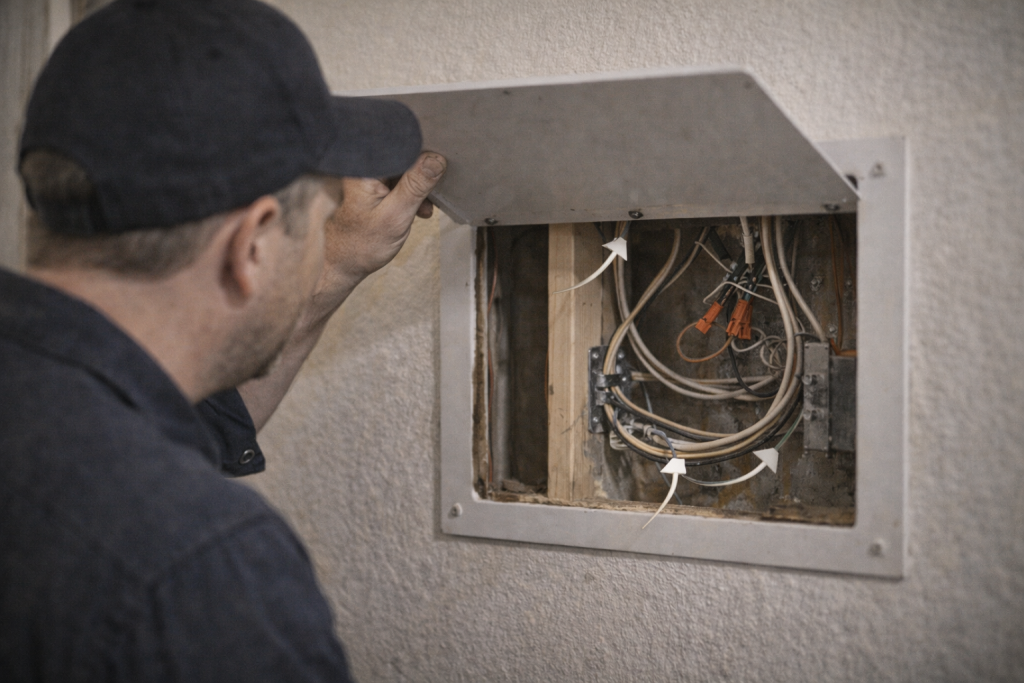
Faulty wiring and overloaded circuits rank among the top causes of home fires. A residential electrical inspection can spot these hidden dangers before they turn into serious problems.
An electrical inspection gives you a full picture of your home’s electrical system. The inspector examines everything from inner wiring to the fuse box, light switches, and outlets. Most homeowners pay between $300 and $500 for this service, with prices varying by state. The good news? You won’t see extra charges since electrical safety checks are part of standard home inspections. Safety experts suggest scheduling these inspections every five years or when buying a new property. These checks are vital – they keep you safe, verify code compliance, and protect your investment.
In this piece, you’ll find what electrical inspections involve and the surprising issues inspectors look for. They check everything from outdated wiring and overloaded circuits to improper DIY work and faulty outlets. Knowing these potential risks helps you keep your home safer and avoid repairs that can get pricey later.
What is a residential electrical inspection and why it matters
Your home’s electrical inspection works like a health check-up. It looks at your entire electrical system and spots potential hazards hiding behind your walls. This goes beyond just checking outlets – it gives you a full picture of your home’s electrical network.
What does an electrical inspection entail?
A qualified electrician will assess several parts of your home’s electrical system:
- Electric meter examination to spot defects and ensure accurate wattage logging
- Circuit breaker assessment to check proper functioning and evaluate overload risks
- Wiring inspection to find frayed wires, water damage, or improper connections
- GFCI outlet testing to verify they shut off power correctly when problems occur
- Grounding system verification to protect against electrical shocks
Your inspector will check both visible parts and components behind walls, then provide a complete report highlighting any work to be done.
Why inspections are critical for safety and compliance
Electrical inspections aren’t just a smart choice – you need them for several important reasons.
They help prevent fires. Electrical fires cause approximately 51,000 home fires annually, making them one of the main reasons for property damage. These inspections can spot fire hazards like overloaded circuits, damaged wiring, or outdated equipment.
On top of that, it ensures your home meets current electrical codes. These rules protect homeowners and change over time. Many older homes have outdated systems that might not meet modern safety standards.
Insurance companies often require regular electrical inspections to keep your coverage. Your claim might be denied if an electrical fire happens without proper inspection records.
When homeowners should schedule an inspection
Your home’s age and condition determine how often you need inspections:
- New homes (under 10 years old): Once every ten years
- Older homes (over 25 years old): Every 3-5 years
- Rental properties: Every 3-5 years
Some situations need immediate inspection no matter your regular schedule:
- Buying or selling a home
- Major renovations (before or after)
- After severe weather or flooding
- Electrical issues like flickering lights, burning smells, or frequent breaker trips
- Electrical panels and wiring approaching 20-40 years old
Note that while inspections cost between $300-500, this investment can save you from the huge financial and personal costs of electrical fires or system failures.
Key areas your inspector will examine
A trained professional gets into several critical components of your home’s electrical system during a residential inspection. This knowledge helps you understand what to expect.
Wiring and connections
Your inspector looks for signs of damage, fraying, or improper connections in all visible wiring. They check if nail protection plates exist where wires pass through wooden framing members (to prevent accidental penetration). The inspector makes sure conductors connect properly in all junction boxes with appropriate connectors.
Electrical panel and breakers
The electrical panel serves as your home’s central hub and needs special attention. The inspector ensures circuit breakers have proper sizing and no overload issues. Signs of corrosion, overheating, or damage get careful attention, and all connections must be tight. The core team tests breaker operation to confirm they trip correctly under overload conditions.
Outlets, switches, and GFCI protection
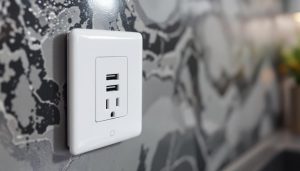
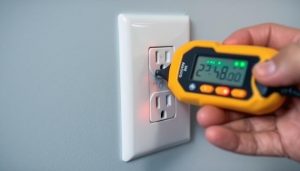
Each outlet needs testing for proper function and grounding. Ground Fault Circuit Interrupters (GFCIs) protect against shock in wet areas, making them crucial. The inspector uses a specialized tester to test GFCIs monthly. Current codes mandate GFCI protection in kitchens, bathrooms, garages, unfinished basements, outdoor areas, and near sinks.
Grounding and bonding systems
This safety system creates a safe path for electricity to flow to earth during a fault. The inspection covers the grounding electrode (usually an 8-foot rod driven into earth), the conductor (minimum #6 copper wire), and resistance levels at 25 ohms or less. Metal components need proper bonding to prevent dangerous voltage differences.
Smoke and carbon monoxide detectors
Smoke detectors must exist on every level, outside sleeping areas, and inside each bedroom. Carbon monoxide detectors belong on each level and outside sleeping areas—but not in attics or basements unless they include sleeping spaces. The inspector tests these devices and verifies interconnection where required.
Hidden issues commonly found during inspections
Your home might look fine on the surface, but electrical dangers could be lurking underneath. Professional inspectors often find these hazardous problems during their evaluations.
Outdated or damaged wiring
Older electrical systems pose serious risks, especially when you have homes built before the 1970s. Knob-and-tube wiring (pre-1950s) doesn’t have modern grounding and becomes dangerously brittle as time passes. Aluminum wiring (1960s-70s) creates another problem – it expands and contracts with heat cycles. This leads to loose connections and higher fire risks.
Overloaded circuits and undersized panels
House fires from electrical problems exceed 50,000 cases yearly. Your panel might be struggling with modern power demands if circuit breakers trip often. You should watch for warning signs like flickering lights, buzzing sounds, and warm outlets.
Improper DIY electrical work
Consumer products account for 15% of electrocutions, and wiring hazards make up 14% of these deaths. DIY electrical projects usually lack proper permits and could void your insurance if something goes wrong. Many jurisdictions can fine you up to $40,000 for unlicensed electrical work.
Missing or faulty GFCI outlets
Older homes often lack GFCIs that protect against shock hazards near water sources. Building codes now require these outlets in kitchens, bathrooms, garages, and outdoor areas. A failed GFCI usually points to damaged insulation from staples, rodent bites, or rubbing against framing.
Signs of overheating or corrosion
Discoloration around outlets, scorched wall plates, or burning smells signal dangerous overheating. Corroded bus bars or breakers point to moisture damage that puts your entire electrical system at risk.
What happens after the inspection is complete
Your electrical inspection report needs a solid action plan to fix identified problems. A safe and working electrical system depends on this vital final step.
Understanding your inspection report
Electrical inspection reports sort issues into three priority levels—immediate, medium, and low. Safety hazards like exposed wiring or overloaded circuits need quick fixes and fall under immediate recommendations. Medium-priority items help optimize system efficiency, while low-priority ones suggest optional upgrades.
How to prioritize repairs or upgrades
High-priority issues that pose safety risks should be your first focus. These safety hazards need quick attention to avoid accidents. The medium-priority problems might not be dangerous now but could cause trouble later. You should create a repair timeline that fits your budget. Several electrical companies offer free safety evaluations.
Negotiating fixes if you’re buying a home
The inspection report gives buyers great leverage. Major concerns include:
- Electrical hazards and structural concerns
- Systems nearing end of life
- Safety violations
Ask for repair credits instead of letting sellers handle the fixes—this lets you control work quality.
When to call a licensed electrician
A licensed electrician should check these issues right away:
- Exposed wires or connections
- Doubts about system condition
- Inspection recommendations that need action
Licensed electricians have the skills to make code-compliant repairs safely.
Conclusion
Electrical inspections protect you against dangerous electrical hazards lurking in your home. These full pictures can save lives and property, even though people often overlook them. The $300-500 cost is minimal compared to the devastating impact of electrical fires or system failures.
Your home’s electrical system ages constantly like other components. Older homes need more frequent inspections, especially when you have outdated wiring systems like knob-and-tube or aluminum.
A licensed electrician should handle all complex electrical repairs. DIY electrical work puts your safety at risk and could void your insurance coverage while resulting in substantial penalties. Professional electricians can fix inspection issues properly and ensure code compliance.
Electrical inspections work like preventative healthcare for your home. You wouldn’t skip seeing a doctor when something feels wrong. The same applies to warning signs like flickering lights, warm outlets, or frequently tripping breakers. These symptoms signal bigger problems that need professional attention.
Your family’s safety and your home’s value depend on a regular inspection schedule. Older homes need checks every 3-5 years, and you should get inspections after major renovations or severe weather. This schedule helps ensure your electrical system stays safe and reliable.