Ungrounded outlets create a serious safety threat in older homes built before the 1960s. The National Fire Protection Association reports that electrical failures cause about 13% of all U.S. structure fires. Electrical distribution equipment triggers around 24,000 home fires each year. Your home has a 35-44% chance of ungrounded wiring if it was built between 1950-1970.
These outdated outlets become dangerous because they lack a safe path for stray electricity. This creates multiple hazards that put your property, safety, and life at risk. Your risk of electric shock increases significantly with ungrounded outlets. They can spark fires and damage your sensitive electronics and appliances. Modern three-prong devices often face compatibility issues with ungrounded outlets in old houses, which can also cause problems during home inspections.
Many San Gabriel Valley homes still use these outdated electrical systems today. The good news is that solutions exist. This piece will help you spot ungrounded outlets in your home, understand their risks, and explore safe, code-compliant options to protect your family’s safety and property.
What are ungrounded outlets and why they matter
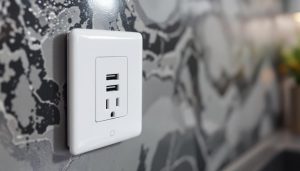
Your home’s two-slot outlets indicate an outdated electrical system that misses a vital safety feature. Ungrounded outlets have two parallel slots instead of three and were common in homes built before the mid-1960s. These older outlets use hot and neutral wires but lack the third grounding connection.
How grounding works in modern homes
The electrical system’s safety depends on grounding. It creates a path for excess electricity to discharge safely into the earth. Three-prong outlets feature slots for hot (smaller vertical), neutral (larger vertical), and ground (round hole at bottom). The third prong plays a vital role by offering an alternate path for stray electricity from appliances.
The normal flow of electricity runs from the hot wire through appliances and returns via the neutral wire. A fault like damaged insulation or loose wiring can make metal parts of appliances carry electricity. Stray electricity becomes dangerous without a proper ground connection.
Modern homes use a grounding system with these components:
- A network of bare copper wires throughout the home’s electrical system
- A grounding rod (copper or steel) that extends eight feet into the earth
- Connections between all metal components and this grounding network
This setup directs dangerous stray currents into the ground instead of through people.
Why older homes in San Gabriel Valley still have two-prong outlets
San Gabriel Valley has many homes built before 1962. That year marked the National Electrical Code’s requirement for three-prong outlets in new construction. California law allows these older systems to remain under “grandfather” clauses.
The original two-wire systems lack ground wires in the walls. Installing three-prong outlets without proper grounding creates risks and false security.
Martin’s Electrical can check your outlets and determine the best solutions for your home. A professional inspection helps protect your family while avoiding unnecessary rewiring expenses.
The hidden dangers of ungrounded outlets
Your family faces hidden electrical dangers from ungrounded outlets that you might not notice. These old electrical systems put your property, safety, and life at risk.
Electric shock risks in kitchens and bathrooms
Kitchens and bathrooms become dangerous places with ungrounded outlets because of water. The chance of getting shocked goes up by a lot in these areas where moisture and condensation build up. Any fault in an electrical device can make metal parts carry electricity when there’s no grounding path.
Even a small amount of water in bathrooms creates immediate danger. A hairdryer or small appliance touching water could lead to a life-threatening short circuit. The same risks exist in kitchens from water splashing onto outlets or appliances.
Fire hazards from outdated wiring
Your home’s fire risk goes up with ungrounded outlets. Electrical faults can create sparks and heat up without a grounding path. These sparks might set nearby materials on fire. This becomes a bigger worry since older homes usually have these ungrounded outlets with aging wiring.
Old wiring systems can’t handle today’s electrical needs. Wiring gets loose and rusty as it ages. This creates resistance that makes heat and sparks—leading causes of electrical fires. The National Fire Protection Association reports that electrical problems cause about 13% of all structure fires in the U.S..
Damage to electronics and appliances
Your modern electronics need proper grounding to handle small power spikes. These spikes have nowhere to go except into your devices when there’s no ground, which can damage your expensive equipment.
You might think surge protectors will keep your electronics safe. They don’t work right when plugged into ungrounded outlets. A surge protector should send extra electricity into the ground—but it can’t do its job without a ground connection.
Are ungrounded outlets safe for daily use?
The simple answer is no. Ungrounded outlets seem fine during normal use, but they offer zero protection when problems happen. The ground wire exists to keep you safe by sending dangerous electricity into the earth.
Martin’s Electrical can give you the full picture of your San Gabriel Valley home’s ungrounded outlets and suggest economical solutions that work best for your situation.
How to check if your outlets are grounded
Your home’s electrical safety depends on checking if your outlets are properly grounded. You can use several simple methods to check outlets throughout your San Gabriel Valley home.
Visual signs: two-prong vs. three-prong
A quick visual check of your outlets will tell you a lot. Outlets with only two vertical slots and no third round hole are ungrounded outlets. These two-prong outlets were common in homes built before the 1960s. In spite of that, a three-prong outlet doesn’t guarantee proper grounding. Some homeowners switch to three-prong outlets without connecting a ground wire, which creates a dangerous illusion of safety.
Using an outlet tester
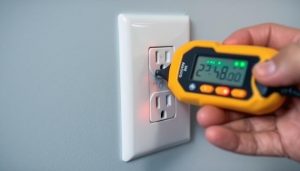
An inexpensive outlet tester gives you the quickest way to check proper grounding. The process is simple – plug the tester into any three-prong outlet and look at the light pattern:
- Two amber lights (center and right): Your outlet is properly grounded
- Other light combinations: Indicates ungrounded or improperly wired outlet
Your home’s electrical grounding needs checking every 3 to 5 years. New home purchases, major electrical upgrades, or large appliance installations also require grounding verification.
When to call a licensed electrician
Martin’s Electrical can help at (866) 922-5982 if:
- You don’t feel comfortable using electrical testing devices
- Your outlet tester shows “open ground”
- Appliances give you mild shocks when touched
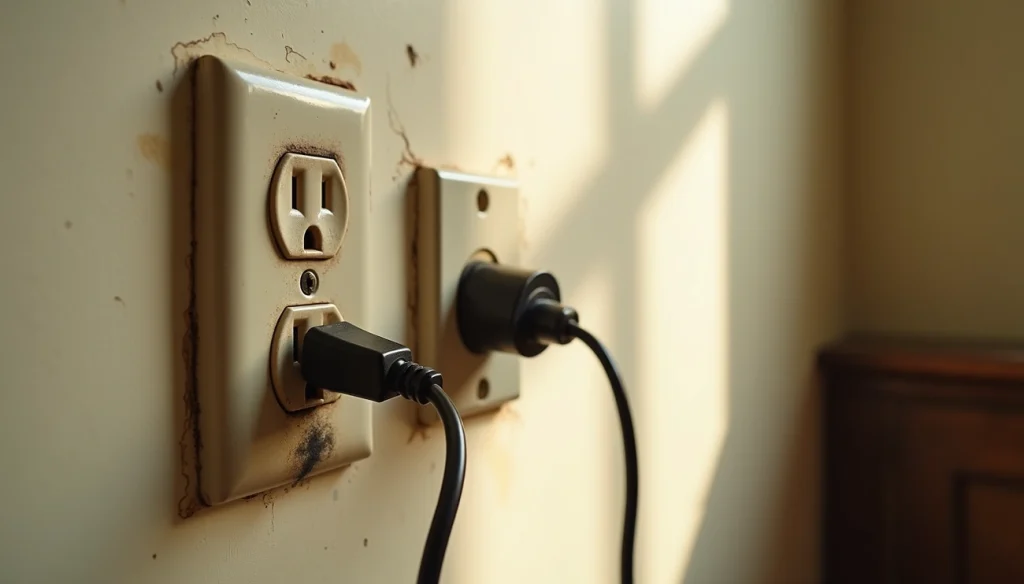
- You spot burn marks or smell burning near outlets
- Your home has breakers that trip often or lights that flicker
A licensed electrician will give you a full picture of your situation and recommend the best solution to keep your family safe without extra costs.
Simple and safe ways to fix ungrounded outlets
Finding out you have ungrounded outlets doesn’t mean you need to completely rewire your home. Here are practical solutions that balance safety with budget concerns.
Option 1: Install GFCI outlets with proper labeling
GFCI outlets protect against shocks even without a ground wire connection. They “sense” differences in current flow and trip quickly (less than one-tenth of a second) when they detect a fault. We install these at the first outlet in each circuit, then attach the included “No Equipment Ground” label. This approach gives excellent protection at reasonable cost.
Option 2: Rewire with grounded cables
The best solution involves installing proper grounding throughout your home. This usually requires running a new copper ground wire from each outlet box to the main panel. While expensive, this option gives complete protection to people and equipment.
Option 3: Use GFCI breakers at the panel
There’s another option – installing GFCI breakers directly at your electrical panel. This method protects entire circuits instead of individual outlets. These breakers cost 3-4 times more than GFCI outlets but protect multiple outlets consistently.
Why adapters and ‘cheater plugs’ are not safe
Three-prong adapters (cheater plugs) bypass safety features rather than solve the problem. These create serious electrical shock risks and may void product warranties and homeowners insurance coverage.
How to fix ungrounded outlets without full rewiring
Recent code updates (NEC 2014) allow you to legally run just a ground wire without replacing all conductors. For areas that need grounding, you can connect to nearby metal conduit if your home has it.
Contact Martin’s Electrical at (866) 922-5982 to learn which option works best for your San Gabriel Valley home.
Conclusion
Many San Gabriel Valley homeowners overlook the serious risks of ungrounded outlets. These outdated electrical systems make you vulnerable to electric shocks, fire hazards, and damage to expensive electronics. Most homes in our area built before the 1960s have these dangerous two-prong outlets.
The good news? You can fix this safety issue without rewiring your entire home. Simple solutions range from properly labeled GFCI outlets to targeted rewiring of specific areas. Your family’s safety depends on avoiding those unsafe “cheater plugs.”
Older wiring systems need professional expertise to ensure your home’s electrical safety. Martin’s Electrical team knows the electrical challenges that older San Gabriel Valley homes face. We’ll assess your specific situation and budget to recommend the right solution.
Keep your family safe by fixing ungrounded outlets before an emergency strikes. Call Martin’s Electrical at (866) 922-5982 today. We’ll inspect your home’s electrical system and suggest safe, code-compliant solutions.