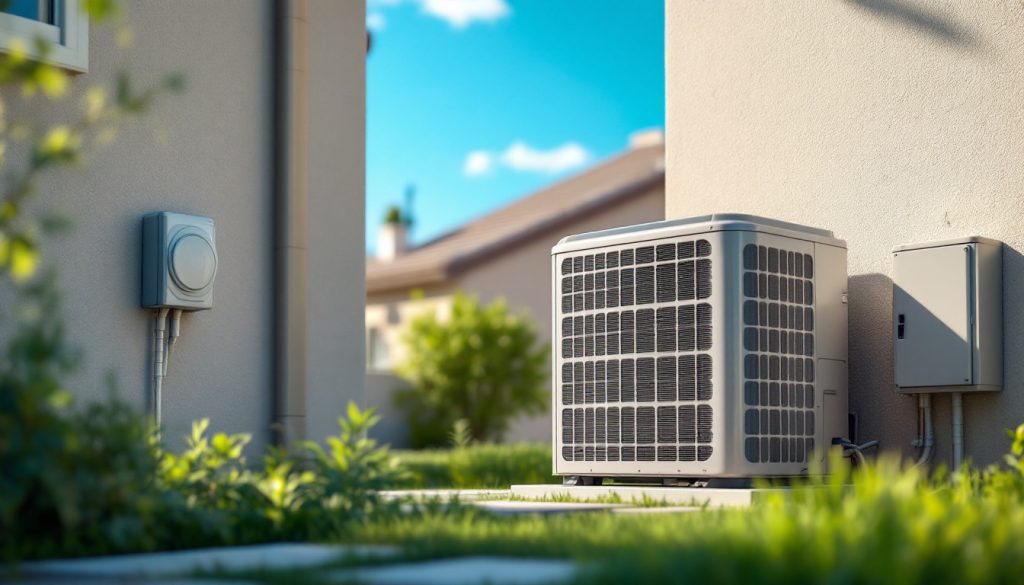
Summer in the San Gabriel Valley brings more than just soaring temperatures. When the mercury climbs above 100 degrees, your home’s electrical system faces challenges that can lead to serious problems. Understanding electrical safety heat wave precautions is critical for homeowners in San Dimas, Glendora, La Verne, and Covina, especially those living in older homes built between the 1950s and 1970s. These homes weren’t designed to handle the electrical demands of modern air conditioning systems running at full capacity for days on end. The combination of extreme heat, increased power consumption, and aging wiring creates conditions that can result in electrical fires, equipment damage, and costly repairs. Martin’s Electrical & Lighting Company has served San Gabriel Valley homeowners for decades, and we’ve seen firsthand how summer heat waves can push electrical systems to their breaking point. This guide will help you recognize warning signs, take preventive action, and know when to call for professional help.
Why Summer Heat Puts Your Electrical System at Risk
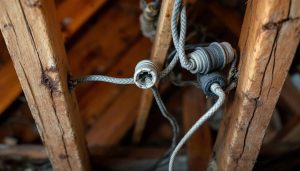
Your electrical system summer heat challenges begin with a simple fact: air conditioning units are the largest electrical load in most homes. When temperatures stay above 95 degrees for multiple days, your AC runs continuously, drawing maximum current for extended periods. This sustained demand generates heat in your wiring, connections, and breaker panel. In homes built before 1980, the wiring may not be rated for this level of continuous use, and insulation around conductors can deteriorate over time.
The problem compounds when multiple high-draw appliances compete for power on the same circuit. A typical central air conditioning system pulls 15 to 30 amps depending on its size. Add refrigerators, computers, televisions, and other equipment, and you’re pushing your electrical panel to its design limits. Breakers are designed to trip when they detect overload conditions, but older breakers may not respond as quickly or reliably as they should.
Heat waves also stress the broader electrical grid. When everyone in your neighborhood runs their air conditioning simultaneously, utility companies sometimes implement controlled brownouts to prevent total grid failure. These voltage reductions force motors in your AC compressor and other appliances to draw more current to maintain operation, which paradoxically increases the load on your home’s wiring during the very conditions when it’s most vulnerable. This cycle creates the perfect conditions for electrical repair emergencies.
Warning Signs Your Electrical System Is Under Stress
Recognizing the early warning signs of electrical overload can prevent fires and equipment damage. The most obvious indicator is breakers that trip repeatedly, especially when your air conditioning kicks on. If you’re constantly resetting breakers during hot weather, your system is telling you something is wrong. While tripping breakers in summer can have several causes, the pattern during heat waves typically points to capacity or wiring issues that require professional diagnosis.
Warm or hot outlets and switch plates are another critical warning sign. Your outlets should never feel warm to the touch. Heat indicates resistance in the connection, which means electricity is being converted to thermal energy instead of powering your devices efficiently. This resistance creates localized hot spots that can ignite surrounding materials. Similarly, if your light fixtures feel excessively warm or the area around your breaker panel is hot, you have a potentially dangerous situation that needs immediate attention.
Flickering or dimming lights when your air conditioning starts up suggests your electrical system is struggling with the startup surge. AC compressors draw a significant inrush current when they begin their cooling cycle. If your lights dim noticeably during this event, it indicates voltage drop across your home’s wiring, which can damage sensitive electronics and shorten the life of LED bulbs. A burning smell near outlets, switches, or your electrical panel is never normal and always demands immediate action. In this situation, shut off power at the main breaker and contact a licensed electrician immediately.
Managing Your Air Conditioning’s Electrical Load
Your air conditioning electrical load represents the single largest factor in summer electrical stress. Modern central AC systems should ideally run on dedicated circuits with appropriate amperage ratings. A 3-ton central air unit typically requires a 30-amp, 240-volt circuit, while a 5-ton unit needs 50 amps.
The most effective way to reduce air conditioning electrical load is to manage your thermostat strategically. Instead of setting your target temperature at 68 degrees when it’s 105 outside, set it to 75 or 76 degrees. This seemingly small change reduces runtime significantly and allows your system to cycle on and off rather than running continuously. The compressor startup cycle is when the highest current draw occurs, but continuous operation over many hours generates the sustained heat buildup in your wiring that creates fire risks.
If you have an older home with window units or portable air conditioners supplementing your central system, never plug multiple units into the same circuit. Each window AC unit should have its own dedicated outlet on a separate circuit. If you’re using extension cords or power strips for air conditioning units, you’re creating a serious fire hazard. These devices draw too much current for typical household extension cords. A San Gabriel Valley electrician can install dedicated outlets in the right locations and verify that your circuits are properly sized and protected.
Protecting Your Home from Brownouts and Power Surges
Brownout surge protection becomes critical during heat waves when the electrical grid is stressed. A brownout occurs when utility companies intentionally reduce voltage to prevent total blackouts. The real danger comes not during the brownout itself but when power is restored. The sudden return to normal voltage creates a surge that can damage compressors, circuit boards, and any equipment that was running when voltage dropped.
Whole-home surge protection installed at your main electrical panel provides the first line of defense against these events. Unlike plug-in surge protectors, which guard only the devices plugged into them, panel-mounted surge suppressors protect your entire electrical system including hardwired appliances like your air conditioning compressor, water heater, and built-in appliances. These devices clamp voltage spikes before they can enter your home’s wiring, and they’re particularly important if you live in an area with frequent summer thunderstorms that can cause additional surge events.
During an active brownout, the safest approach is to turn off major appliances and wait for power to stabilize. If you notice lights dimming throughout your home or hear AC compressors struggling, switch off the air conditioning at the thermostat, unplug computers and entertainment systems, and leave only essential lighting on. When power returns to normal, wait a few minutes before turning equipment back on. For homes with older electrical panels that lack adequate surge protection, investing in electrical panel services should be a priority before the peak of summer.
When to Shut Down Systems in an Emergency
Knowing when to shut down electrical systems can prevent electrical fire prevention emergencies and save your home. If you smell burning plastic, see smoke near outlets or your breaker panel, or notice sparking from any electrical component, your first action should be shutting off power at the main breaker. Do not attempt to investigate the source while power is still flowing.
A home electrical emergency during a heat wave might seem impossible to handle without air conditioning, but safety must come first. If you’ve shut off main power due to electrical problems, open windows to create cross-ventilation, move family members and pets to the coolest part of the house, and contact emergency services if anyone shows signs of heat-related illness while you wait for electrical repairs. Never restore power yourself after shutting it down for safety reasons. A licensed electrician needs to identify and correct the problem before the system can safely be energized again.
Less severe situations may require shutting down only the affected circuit. If a specific breaker keeps tripping, don’t repeatedly reset it in hopes that the problem will resolve itself. A breaker that trips is doing its job by preventing an overload or short circuit from causing fire or damage. Identify what devices or appliances are on that circuit, unplug everything, and then reset the breaker once. If it trips immediately without any load, the problem is in the circuit wiring itself. If the breaker holds, add devices back one at a time to identify what’s causing the issue. However, if you’re not completely confident in this troubleshooting process, it’s safer to leave the breaker off and schedule professional troubleshooting rather than risk causing damage or injury.
Know Your Electrical Panel and Main Shutoff
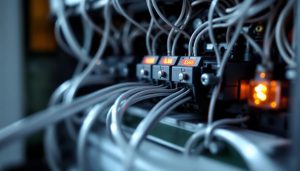
Every homeowner should know the location of their electrical panel and how to operate the main breaker. The electrical panel is typically located in your garage, utility room, or on an exterior wall. The main breaker is usually at the top of the panel and is a larger double-width breaker that controls power to your entire home. Flipping this breaker to the OFF position cuts all electricity to the house. In an electrical emergency, this is your most important safety tool.
Take time before you need it to open your panel cover and identify which breakers control which circuits. Well-labeled panels make troubleshooting easier, but many older homes have incomplete or inaccurate labels. Create your own circuit map by turning off breakers one at a time and noting what outlets, lights, and appliances lose power. Write this information clearly on the panel door or keep a laminated copy attached to the panel with tape. Include special notes about critical circuits like your refrigerator, medical equipment, or sump pump.
Your panel’s age and capacity matter significantly during heat waves. If your main breaker is rated for 100 amps and your home has central air conditioning, multiple computers, modern appliances, and electric vehicle charging, you may be exceeding the safe capacity of your system. Homes built before 1980 often have 60-amp or 100-amp service, while modern homes typically need 200-amp panels. An electrical panel upgrade provides not just more capacity but also modern safety features like arc-fault and ground-fault circuit interrupters.
Conclusion
Electrical safety during heat waves requires vigilance, preventive maintenance, and knowing when to call for professional help. The warning signs of electrical stress—tripping breakers, warm outlets, flickering lights, and burning smells—should never be ignored, especially during extended periods of high temperatures. While homeowners can take simple steps like managing thermostat settings and avoiding circuit overloads, the underlying issues that make homes vulnerable during heat waves typically require professional diagnosis and repair.
If your home was built before 1980, if you’re experiencing any of the warning signs described in this guide, or if you’re uncertain whether your electrical system can safely handle another summer in the San Gabriel Valley, don’t wait for an emergency to address the problem.
Martin’s Electrical & Lighting Company offers comprehensive electrical safety inspections that identify vulnerabilities before they become emergencies. Our licensed electricians have the experience and equipment to evaluate your panel capacity, test your wiring, verify proper grounding and surge protection, and recommend specific upgrades that will keep your home safe during the hottest months of the year.
Your family’s safety is too important to leave to chance. Get a free estimate today and ensure your home’s electrical system is ready for whatever summer brings.