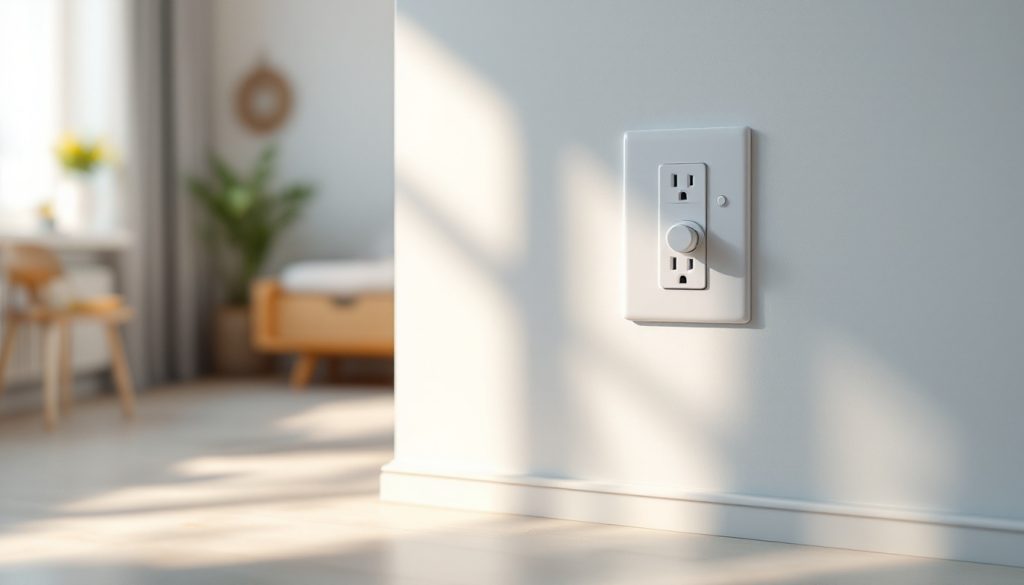
Young children explore the world through touch, which makes your home’s electrical system a serious safety concern. Every year, thousands of children are treated for electrical injuries, many of which happen at home through simple outlet contacts or cord accidents. If you want to childproof electrical outlets and create a safer environment for your kids, understanding modern electrical safety features is the first step.
Most homes built before 2008 in San Dimas, Glendora, La Verne, and Covina lack the protective features now required by the National Electrical Code. These older electrical systems were designed for adult use and don’t account for curious toddlers who see outlets as interesting holes to explore. While temporary measures like plastic plug covers offer some protection, they’re not a complete solution. A comprehensive approach to child electrical safety involves permanent upgrades, proper cord management, and securing access to electrical equipment. Martin’s Electrical has helped hundreds of San Gabriel Valley families update their homes with modern safety features that protect children without requiring constant vigilance from parents.
Understanding Tamper-Resistant Receptacles (TR Outlets)
Tamper-resistant receptacles represent the most important advancement in child electrical safety over the past two decades. These specialized outlets contain a spring-loaded shutter mechanism that blocks access to the electrical contacts inside. The shutters only open when equal pressure is applied to both slots simultaneously, which happens when you insert a standard two-prong or three-prong plug. If a child tries to push a paperclip, key, or other metal object into just one slot, the shutter remains closed and prevents contact with live electricity.
The NEC tamper-resistant requirements became mandatory in 2008 for all new construction and major renovations. Every 15-amp and 20-amp receptacle in areas accessible to children must now be tamper-resistant. This includes bedrooms, living rooms, kitchens, bathrooms, and any other space where children spend time. The code change was driven by data showing that approximately 2,400 children suffered electrical injuries from outlets each year.
Despite the 2008 code change, most homes in the San Gabriel Valley were built before this requirement took effect. If your home was constructed before 2008 or hasn’t undergone significant electrical updates, your outlets likely lack this protection. TR outlets look nearly identical to standard receptacles from the outside, but the internal mechanism makes a critical difference.
The cost of upgrading to tamper-resistant receptacles is modest compared to the protection they provide. Most homeowners spend between $3 and $7 per outlet for the devices themselves, plus installation labor. For a typical three-bedroom home with 40-50 outlets, the total investment usually falls between $500 and $1,200. This permanent solution eliminates the need for plastic covers and provides reliable protection that lasts for decades.
Why TR Outlets Beat Traditional Plastic Outlet Covers
Many parents start with plastic outlet covers when baby-proofing their homes. These small caps insert into unused outlets and create a physical barrier between children and electrical contacts. While they’re better than nothing, plastic covers have significant limitations.
The most obvious problem is that they require consistent human behavior to work. Adults must remember to replace the cover every single time they unplug something. In busy households, this consistency is nearly impossible to maintain. One forgotten cover leaves an outlet exposed.
Plastic covers also present a choking hazard. Determined toddlers can often pry them out, and once removed, the cover becomes a small object that can be mouthed or swallowed.
From a practical standpoint, plastic covers create ongoing frustration. The cumulative cost often exceeds the cost of a proper electrical repair that installs TR outlets permanently.
Tamper-resistant receptacles eliminate all these problems. They work automatically without requiring any human action. Every outlet in your home provides continuous protection. Guests and service providers don’t need special instructions. The outlets function normally for adults while blocking children’s exploration attempts. There are no small parts to lose or replace, and the protection lasts as long as the outlet itself—typically 20 to 30 years or longer.
GFCI Protection for Child-Accessible Areas
Ground Fault Circuit Interrupter (GFCI) protection adds another critical layer of child electrical safety by preventing electrocution in areas where water and electricity might meet. GFCI outlets monitor the electrical current flowing through a circuit and shut off power within milliseconds if they detect an imbalance that indicates current is escaping—such as through a person’s body into water or a ground path.
Children face particular risk in bathrooms, kitchens, laundry areas, and outdoor spaces where water is present. Standard circuit breakers don’t react quickly enough to prevent serious injury, but GFCI devices cut power in as little as 1/40th of a second.
Current electrical codes require GFCI protection in bathrooms, kitchens (countertop outlets), laundry rooms, garages, unfinished basements, and all outdoor outlets. However, homes built before the mid-1970s typically lack GFCI protection.
Installing GFCI outlets is straightforward for a qualified electrician. GFCI receptacles replace existing outlets and typically cost $15 to $25 per device plus installation labor. Alternatively, GFCI circuit breakers can be installed in your electrical panel to protect entire circuits at once.
Testing GFCI outlets monthly ensures they continue functioning properly. Each GFCI device has test and reset buttons. Pressing the test button should immediately cut power to the outlet; the reset button restores power. If the test doesn’t work, or if you discover outlets in wet areas without GFCI protection, contact a San Gabriel Valley electrician.
Managing Cords and Hiding Exposed Wiring
Electrical cords present multiple hazards for young children. Infants and toddlers pull on cords, chew on them, and trip over them, creating risks ranging from pulled-down appliances to damaged wire insulation that exposes live conductors. Proper cord management protects children while extending the life of your electrical devices.
The first principle is minimizing visible cords whenever possible. Furniture placement can hide cords behind bookcases, entertainment centers, and beds. Wall-mounted TVs eliminate the tangle of cords that floor-standing entertainment systems create. For cords that must remain visible, cord covers and raceways attach to baseboards or run along walls to create a smooth, enclosed channel.
Unused outlets should be covered with either plastic caps or replaced with TR outlets. Children often try to unplug cords, especially colorful phone chargers and laptop adapters. Once a cord is unplugged, the exposed prongs present a shock risk if a child touches the prongs while handling the cord. Securing cords at the outlet with furniture placement or outlet covers designed to accommodate plugs reduces this risk.
Extension cords deserve special attention. They’re designed for temporary use, not permanent installations. Cords run under rugs or furniture can overheat, and damaged insulation creates shock and fire hazards.
If you find yourself relying on extension cords regularly, the correct solution is installing additional outlets where you need power. A licensed electrician can add outlets in convenient locations, eliminating the need for extension cords while improving your home’s electrical system capacity.
Pay attention to any burnt outlet warning signs such as discoloration, heat, or unusual odors around outlets and cords. These indicate serious electrical problems that pose fire and shock risks.
Securing Your Electrical Panel and Subpanel
Your home’s electrical panel and any subpanels contain energized bus bars, circuit breakers, and connections that carry the full voltage and current for your entire electrical system. The inside of an electrical panel is one of the most dangerous areas in any home. While adults generally know to avoid opening these panels, young children don’t understand the risk.
Modern electrical panels include locking mechanisms, but many older panels have simple latches that a curious child can open. If your electrical panel can be opened without tools, it presents a serious risk.
Panel locks are inexpensive devices that prevent unauthorized access. These locks require a key, combination, or tool to open. Installation is straightforward—most panel locks attach using the existing panel screw holes or with adhesive backing. Prices range from $10 to $30.
Beyond physical security, the area around your electrical panel should remain clear and unobstructed. The National Electrical Code requires 36 inches of clear space in front of electrical panels and 30 inches of clearance side-to-side. This workspace exists for safety during electrical work, but it also prevents situations where children might climb on stored items to reach the panel.
Look at the condition of your electrical panel as well. Rust, corrosion, missing knockout plugs, or panels that feel warm to the touch indicate problems that require professional attention. Older panels may lack proper coverage for energized bus bars. Federal Pacific and Zinsco panels, common in homes from the 1950s-1980s, have known safety defects and should be replaced. If you’re unsure about your panel’s safety or condition, comprehensive electrical wiring services can evaluate and upgrade your entire system.
When to Upgrade Your Home’s Electrical Safety Features
Several life events and situations make electrical safety upgrades particularly important for families with young children.
Moving into an older home is the ideal time to conduct a complete electrical safety evaluation. Before you unpack, have a licensed electrician assess your home’s electrical system with child safety in mind. This inspection identifies missing TR outlets, lack of GFCI protection, outdated panels, insufficient outlets that lead to extension cord use, and any code violations or hazards.
Expecting a baby provides a nine-month window to prepare your home. Install TR outlets throughout your home, add GFCI protection where needed, secure the electrical panel, and improve cord management before your child becomes mobile. These upgrades happen in the background and don’t require ongoing thought once completed.
Toddler mobility changes everything. The moment your child starts crawling and walking independently, they gain access to outlets, cords, and electrical hazards throughout your home. Children ages one to three are at highest risk for electrical injuries because they’re mobile, curious, and lack any understanding of danger.
Home renovations and additions create opportunities to integrate electrical safety improvements. If you’re already opening walls for a kitchen remodel, bathroom update, or room addition, the additional cost to upgrade nearby outlets to TR receptacles and add GFCI protection is minimal.
Changes in your electrical system’s behavior signal the need for professional attention. Frequently tripping circuit breakers, flickering lights, outlets that don’t work reliably, or any burning smells indicate electrical problems that pose safety risks.
Finally, if your home was built before 1985 and hasn’t undergone significant electrical updates, consider a comprehensive safety upgrade. Electrical standards, materials, and installation practices have improved substantially over the past four decades.
Protecting Your Family With Professional Electrical Safety Upgrades
Creating a truly child-safe electrical environment requires more than plastic outlet covers and hoping children stay away from cords. The most effective approach combines modern electrical safety devices that work automatically with proper installation by licensed professionals who understand both electrical codes and practical family living.
Tamper-resistant receptacles, GFCI protection, secured electrical panels, and proper cord management form the foundation of child electrical safety. These upgrades protect your children without requiring constant vigilance or behavioral changes from busy parents. Once installed correctly, they provide reliable protection for decades.
The electrical system in your home carries enough power to cause serious injury or death, and children’s natural curiosity makes them particularly vulnerable to electrical hazards. Don’t trust makeshift solutions or delay critical safety upgrades. Martin’s Electrical has served San Gabriel Valley families for over four decades, helping homeowners in San Dimas, Glendora, La Verne, Covina, and surrounding communities create safe electrical environments for their children. Our licensed electricians understand the specific challenges of retrofitting older homes with modern safety features and can complete most upgrades in a single day with minimal disruption to your household.
If you’re preparing for a baby, moving into an older home, or simply want to ensure your electrical system protects your children, get a free estimate from Martin’s Electrical. We’ll evaluate your home’s current safety features, explain which upgrades provide the greatest protection, and provide transparent pricing for professional installation. Your children’s safety is too important for shortcuts—make sure the electrical work in your home meets current safety standards and protects the people who matter most.