If you’ve noticed flickering lights in house rooms recently, you’re right to pay attention. While some causes are harmless and easy to fix, others signal dangerous electrical problems that require immediate professional help. At Martin’s Electrical & Lighting Company, we’ve served San Gabriel Valley homeowners for years, and we know that flickering lights are one of the most common—and most misunderstood—electrical issues in residential properties.
Flickering lights can mean anything from a loose bulb to a serious wiring defect. The key is understanding which symptoms require action and which ones can wait. Older homes in Glendora, La Verne, and San Dimas are particularly vulnerable to wiring problems that cause lights flickering throughout the house. This guide will help you identify the cause of your flickering lights, recognize the warning signs of dangerous electrical problems, and know when to call a licensed electrician.
Common Harmless Causes of Flickering Lights
Not every flicker means you have a serious electrical problem. Several harmless or low-risk causes produce the same symptom, and many can be resolved without professional help.
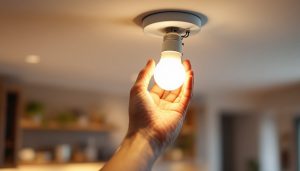
The most common cause is a loose light bulb. When a bulb isn’t screwed in completely, the connection between the bulb’s metal base and the fixture’s socket becomes intermittent. This produces a flicker that usually affects only one fixture. The fix is simple: turn off the light, let the bulb cool, and screw it in firmly.
Incompatible dimmer switches are another frequent culprit. Older dimmer switches were designed for incandescent bulbs and don’t always work properly with LED or CFL bulbs. Upgrading to an LED-compatible dimmer switch usually resolves the issue.
Utility-side voltage fluctuations can also cause temporary flickering. When a large appliance on your street turns on, it can cause a brief dip in voltage that affects multiple homes. If your lights flicker occasionally and your neighbors report the same issue, the problem likely originates with the utility company.
When Flickering Lights Signal an Overloaded Circuit
If lights dim or flicker consistently when you turn on a large appliance—like an air conditioner, refrigerator, or microwave—you likely have an overloaded circuit. This is a moderate concern that won’t cause immediate danger, but it does indicate your electrical system is under stress.
An overloaded circuit occurs when the electrical demand on a single circuit exceeds its rated capacity. Most residential circuits are rated for 15 or 20 amps, and large appliances can draw 10 to 15 amps when they start up. If multiple devices share the same circuit, voltage drops across the circuit, causing visible dimming or flickering in lights on the same circuit.
Homeowners often notice this pattern when lights in the kitchen flicker every time the microwave runs, or when bathroom lights dim when a hairdryer turns on. While this isn’t an emergency, it does mean your circuits are not properly balanced or that your panel lacks the capacity to support your household’s electrical load.
Overloaded circuits increase the risk of tripped breakers and can shorten the lifespan of your appliances. More importantly, they can overheat wiring and connections, which increases fire risk over time. If you consistently experience dimming lights when appliances start, a licensed electrician should evaluate your panel and circuit layout.
Loose Electrical Connections: A Silent Fire Risk
Loose electrical connections are one of the most serious flickering lights causes because they create heat and increase fire risk. Unlike a loose bulb—which only affects the connection between bulb and socket—a loose connection can occur at any point in the electrical system: inside outlets, switches, junction boxes, or even at the circuit breaker.
When a connection becomes loose, electrical resistance increases. This resistance generates heat every time current flows through the connection. Over time, the heat can damage insulation, char wires, and even ignite surrounding materials. The National Fire Protection Association estimates that electrical failures or malfunctions cause thousands of home fires every year, and faulty wiring flickering at loose connections is a contributing factor.
Homeowners can sometimes detect loose connections by observing the flickering pattern. If a single light fixture flickers constantly, and the flickering worsens when you wiggle the switch or tap the fixture, a loose connection is likely. Flickering that affects multiple fixtures on the same circuit suggests a loose connection further upstream—possibly at the breaker panel or in a junction box.
Loose connections at outlets and switches are common in older homes, especially those with aluminum wiring or outdated wiring methods. Aluminum wiring, which was popular in the 1960s and 1970s, expands and contracts more than copper as it heats and cools. This thermal cycling can loosen connections over time.
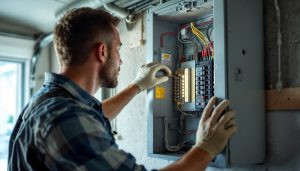
Never ignore persistent flickering caused by loose connections. If you suspect a loose connection anywhere in your system, contact a licensed electrician immediately. Tightening connections and inspecting junction boxes requires working inside energized panels and boxes, which is dangerous for untrained individuals.
Serious Causes: Arcing and Degraded Wiring
Electrical arcing is one of the most dangerous conditions associated with flickering lights. Arcing occurs when electricity jumps across a gap in a circuit, producing intense heat and light. This can happen when wires come loose, insulation degrades, or connections fail inside walls or at the panel.
Unlike a loose connection—which may flicker predictably—arcing often produces random, erratic flickering. You might also hear a buzzing, sizzling, or popping sound near outlets, switches, or inside walls. Arcing can ignite insulation, wood framing, or dust inside wall cavities. If you observe flickering combined with strange sounds or a burning smell, shut off power at the breaker and call an electrician immediately.
Degraded wiring is another serious cause of flickering lights. Old insulation becomes brittle over time, especially in homes with cloth-covered wiring or early plastic insulation. When insulation cracks or falls away, bare wires can contact each other or nearby metal, creating short circuits and arcing.
Aluminum wiring also degrades over time. Aluminum oxidizes when exposed to air, and this oxidation increases resistance at connection points. The added resistance generates heat, which accelerates oxidation in a cycle that eventually leads to flickering, overheating, and fire risk.
Homes in Glendora, La Verne, and San Dimas built before 1980 should be inspected by a licensed electrician if they experience persistent flickering. Many older homes in these areas still have original wiring that may not meet current safety standards. Upgrading to modern wiring eliminates these risks and ensures your electrical system can handle contemporary electrical loads.
What Homeowners Can Safely Check Themselves
Before calling an electrician, there are a few safe steps homeowners can take to diagnose flickering lights.
First, check the bulb. Turn off the light, wait for the bulb to cool, and screw it in firmly. If the flickering stops, you’ve solved the problem. If the bulb is already tight, try replacing it with a new bulb.
Second, inspect the dimmer switch. If you’re using LED or CFL bulbs with an old dimmer switch, replace the dimmer with an LED-compatible model. Most hardware stores carry affordable LED dimmers that are simple to install using basic tools. Just remember to turn off the breaker before removing the old switch.
Third, unplug devices on the same circuit. If lights flicker when a specific appliance runs, try plugging that appliance into an outlet on a different circuit. If the flickering stops, the circuit is likely overloaded.
Finally, observe the flickering pattern. Note which lights flicker, when they flicker, and whether the flickering is constant or intermittent. This information helps electricians diagnose the problem faster.
What homeowners should NOT do: never open the breaker panel, remove outlet or switch covers while power is on, or attempt to tighten connections inside junction boxes. For fast, reliable electrical troubleshooting in the San Gabriel Valley, Martin’s Electrical can diagnose and repair the problem safely.
Flickering Lights in Older SGV Homes
Older homes in the San Gabriel Valley face unique electrical challenges. Many homes in Glendora, La Verne, and San Dimas were built between 1950 and 1980, during a period when building codes and wiring practices differed significantly from today’s standards. If you live in an older home and experience flickering lights, your wiring may be approaching or past its safe service life.
Three wiring types are particularly common: knob-and-tube, aluminum, and early Romex with plastic insulation. Knob-and-tube wiring was used until the 1940s and consists of individual wires run through ceramic insulators. While it was adequate for the electrical loads of its time, it lacks a grounding conductor and can’t safely support modern appliances.
Aluminum wiring became popular in the 1960s and 1970s when copper prices spiked. While aluminum is safe when installed correctly, it requires special connectors and techniques. Many homes with aluminum wiring have connections that were not installed correctly, and these connections degrade over time.
Early plastic-insulated wiring from the 1950s through 1970s also degrades over time. The plastic becomes brittle, cracks, and exposes bare copper. This is especially common in attics and other areas with temperature extremes.
Older homes also tend to have undersized electrical panels. Many homes built before 1970 have 60-amp or 100-amp service, which is inadequate for modern households. Even if the wiring itself is in good condition, an undersized panel can cause voltage drops and flickering.
If your home is more than 40 years old and you experience frequent flickering, consider a whole-house electrical inspection. Martin’s Electrical specializes in electrical rewiring for older SGV homes and can assess whether your system needs repair or replacement.
When to Call a Licensed Electrician
Knowing when to call a professional is critical. Call a licensed electrician immediately if you observe any of these warning signs: flickering accompanied by a burning smell, buzzing or popping sounds near outlets or switches, discolored or warm outlet covers, flickering that affects multiple rooms simultaneously, or flickering that worsens over time.
You should also call an electrician if flickering occurs consistently when large appliances turn on, especially if the lights dim noticeably or stay dim for more than a second or two. While not an immediate emergency, these issues increase stress on your electrical system.
Additionally, if you’ve checked the obvious causes—loose bulbs, incompatible dimmers, overloaded circuits—and the flickering persists, professional diagnosis is necessary. Electricians have specialized tools like voltage meters, thermal cameras, and circuit tracers that can locate problems hidden inside walls, attics, or panels.
Finally, if your home has never been inspected by a licensed electrician and you’re experiencing any electrical issues, schedule a comprehensive electrical inspection. Martin’s Electrical offers thorough inspections that identify safety hazards, code violations, and potential problems before they become dangerous.
Don’t wait until flickering lights turn into a more serious problem. If you’ve noticed flickering lights in your home, or if you’re concerned about similar issues like circuit breaker tripping causes, contact Martin’s Electrical today.
Protect Your Home and Family from Electrical Hazards
Flickering lights are more than an annoyance—they’re often an early warning sign of electrical problems that can damage your home or put your family at risk. While some causes are harmless and easy to fix, others require immediate professional attention. Loose connections, electrical arcing, and degraded wiring can all cause flickering lights, and all pose serious fire risks if left unaddressed.
Homeowners can take basic troubleshooting steps like tightening bulbs and checking dimmer compatibility, but anything beyond these simple fixes should be handled by a licensed electrician. Never attempt to open breaker panels, tighten connections, or work with live wires if you’re not trained to do so.
If you live in an older home in Glendora, La Verne, San Dimas, or elsewhere in the San Gabriel Valley, your wiring may be approaching the end of its safe service life. Flickering lights in homes built before 1980 often indicate aluminum wiring, degraded insulation, or undersized panels that need professional evaluation.
Martin’s Electrical & Lighting Company has served San Gabriel Valley homeowners for years with honest, reliable electrical service. Our licensed electricians can diagnose flickering lights, repair faulty connections, upgrade outdated wiring, and ensure your home’s electrical system meets current safety standards. Don’t ignore flickering lights—get a free estimate today and protect your home from electrical hazards.