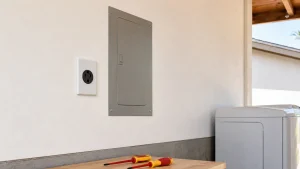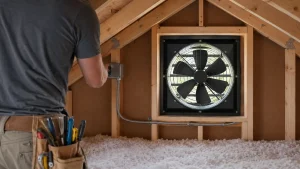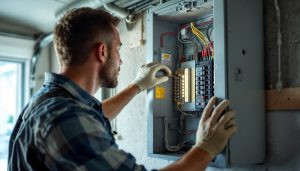
A dedicated electrical circuit is a single-purpose electrical line that runs directly from your electrical panel to power one specific appliance or outlet. Unlike standard circuits that serve multiple outlets or devices, a dedicated circuit has its own circuit breaker and wiring designed to handle the power requirements of major appliances. Many homes in San Dimas, Glendora, and surrounding San Gabriel Valley communities were built decades ago when households used fewer high-wattage appliances. As modern homes add conveniences like electric vehicle chargers, smart home systems, and powerful kitchen equipment, the electrical systems in older properties often struggle to keep up. Understanding when your home needs additional dedicated circuits can prevent frequent breaker trips, potential fire hazards, and damage to expensive appliances. Martin’s Electrical & Lighting Company regularly helps San Gabriel Valley homeowners upgrade their home electrical systems to safely accommodate modern power demands.
Understanding What a Dedicated Electrical Circuit Does
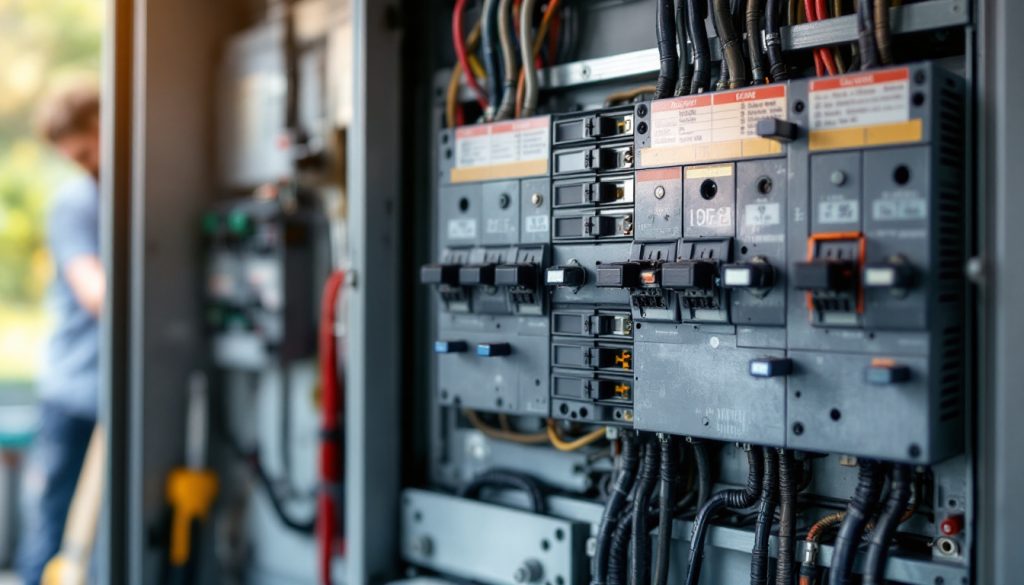
A dedicated electrical circuit serves a single appliance or device exclusively. When an electrician installs a dedicated circuit, they run wiring from your home’s electrical panel directly to one outlet or appliance location. That circuit has its own breaker in the panel, typically 15 or 20 amps depending on the appliance’s power requirements. The breaker protects the circuit from overload by shutting off power if the draw exceeds the rated capacity.
The key difference between dedicated and standard circuits comes down to power sharing. A standard circuit might power multiple outlets in a room, allowing you to plug in lamps, phone chargers, and other small devices. These circuits work fine for low-wattage items because the combined load rarely approaches the circuit’s limit. A dedicated circuit, however, channels all available power to one specific appliance that needs consistent, uninterrupted electrical supply.
Major appliances with motors or heating elements require substantial power to operate. When these devices share a circuit with other loads, the combined draw can exceed safe limits. The National Electrical Code (NEC) requires dedicated circuits for specific appliances to prevent overloading, reduce fire risk, and ensure proper appliance function.
For homeowners in older San Gabriel Valley properties, the original electrical system typically includes a limited number of circuits. As families add modern appliances, these circuits become overloaded. Installing dedicated circuits addresses this problem by distributing the electrical load across more breakers.
Which Appliances Require Dedicated Circuits Per Code
The National Electrical Code establishes specific dedicated circuit requirements for appliances that draw significant power. Refrigerators need their own circuit because they run continuously and use compressor motors that require consistent power. A shared circuit can cause the refrigerator to underperform or fail prematurely when other devices create voltage fluctuations.
Kitchen appliances make up a significant portion of NEC dedicated circuit requirements. Dishwashers require their own 20 amp dedicated circuit due to their combination of water heating and motor operation. Garbage disposals need dedicated circuits as well because their motors draw heavy loads. Microwave ovens, especially built-in models rated over 1,000 watts, should have dedicated circuits. Electric ranges and cooktops require dedicated 240-volt circuits with higher amperage ratings, typically 40 to 50 amps.
Laundry equipment represents another major category. Washing machines need dedicated circuits because they use motors and heating elements that cycle on and off. Electric dryers require dedicated 240-volt circuits rated for 30 amps. Gas dryers still need dedicated 120-volt circuits for their motors and controls.
Climate control and water heating systems require substantial dedicated circuits. Central air conditioning units and heat pumps need dedicated 240-volt circuits sized to their specific tonnage and amperage requirements. Electric water heaters similarly require dedicated 240-volt circuits. In modern homes, electric vehicle chargers need dedicated circuits rated for 40 to 60 amps.
If you’re uncertain whether your home has adequate electrical panel services for these appliances, a licensed electrician can assess your panel capacity and circuit distribution.
Warning Signs Your Home Needs More Dedicated Circuits
Frequent breaker trips indicate your electrical circuits are overloaded. When a circuit breaker trips repeatedly, especially when running specific appliances, the circuit is carrying more amperage than it can safely handle. Homeowners often reset the breaker multiple times without addressing the underlying problem. This pattern suggests the circuit serves too many devices or appliances that should have their own dedicated circuits.
Dimming or flickering lights when major appliances start up signal inadequate circuit separation. When your lights dim because the washing machine or air conditioner turns on, those systems are sharing circuits with your lighting. Large appliances create momentary voltage drops when their motors engage. While brief dimming might seem harmless, it indicates your electrical system lacks proper load distribution. To better understand this phenomenon, read our guide on why lights dim when appliances run.
Warm or discolored outlets present serious safety concerns. When outlets feel warm to the touch or show brown discoloration around the face plate, the receptacle is handling more current than intended. This excessive heat can damage wiring insulation and create fire hazards. Appliances plugged into overloaded circuits often contribute to this problem.
Relying on power strips and extension cords to run major appliances suggests inadequate circuit availability. Power strips don’t increase the circuit’s capacity—they only multiply connection points on an already-taxed circuit. Running high-wattage appliances through extension cords creates additional resistance and heat buildup.
Why Older San Gabriel Valley Homes Often Lack Sufficient Circuits
Most San Gabriel Valley homes built between 1950 and 1970 originally featured electrical panels rated for 60 to 100 amps total capacity. At the time, typical households operated far fewer appliances. Families might have had a refrigerator, a gas range, a window air conditioner, and basic lighting. The electrical systems installed during this period adequately served those minimal loads with relatively few circuits.
Modern households operate dramatically different electrical loads. Today’s homes include central air conditioning, electric vehicle chargers, multiple computers, smart home systems, kitchen appliances, and entertainment equipment. The cumulative draw often exceeds what older electrical systems can deliver.
Construction standards have evolved significantly since mid-century. Current building codes require substantially more circuits for new construction than were common in older homes. A modern kitchen alone might need six or more dedicated circuits, while a 1960s kitchen typically had two or three total circuits serving all kitchen outlets and lighting.
The wire gauge and circuit breaker sizes in older homes often reflect outdated standards as well. Some older homes still have aluminum wiring or outdated fuse boxes rather than modern circuit breaker panels. Before adding dedicated circuits, electricians must verify the home’s electrical panel can safely accommodate additional loads. Many older San Gabriel Valley homes benefit from complete panel upgrades when adding dedicated circuits. Our team provides comprehensive electrical wiring services to modernize older systems safely.
How Much Does It Cost to Add Dedicated Circuits in the San Gabriel Valley
Several factors influence the cost of adding dedicated circuits. The primary variables include the distance from the electrical panel to the appliance location, whether walls need to be opened to run new wiring, the amperage rating required, and whether the existing panel has available breaker slots.
For most standard dedicated 20 amp circuits serving appliances like dishwashers or microwaves, homeowners in the San Gabriel Valley can expect costs ranging from $300 to $600 per circuit. This estimate assumes the electrical panel has available capacity and breaker space. The installation includes running proper gauge wire from the panel to the appliance location, installing the appropriate circuit breaker, and connecting the appliance.
Higher-amperage circuits for appliances like electric dryers, ranges, or EV chargers cost more to install. These circuits require heavier gauge wire and specialized breakers rated for 30 to 60 amps. Installation costs for 240-volt dedicated circuits typically range from $600 to $1,200 per circuit, depending on complexity and distance. Electric vehicle charger installations can exceed these ranges when they require substantial wire runs to garage locations.
Panel upgrades add to overall project costs when the existing panel lacks capacity or available slots. If your home needs panel replacement or expansion before adding dedicated circuits, expect total project costs between $1,500 and $3,000 for the panel work itself. However, upgrading the panel simultaneously with adding multiple dedicated circuits can be more cost-effective than performing the work separately. To understand your current panel capacity, consider having an electrician check your home’s amperage before planning circuit additions.
The Process of Installing a Dedicated Electrical Circuit
Professional electricians follow a systematic approach when installing dedicated circuits. The process begins with assessing your electrical panel’s available capacity. An electrician calculates the existing electrical load and determines whether the panel can safely accommodate additional circuits. This assessment includes verifying available breaker slots and confirming the panel’s total amperage rating.
Once capacity is confirmed, the electrician plans the wire route from the panel to the appliance location. This planning considers building structure, accessibility, and local code requirements. The electrician determines appropriate wire gauge based on the circuit’s amperage rating and the distance traveled.
The physical installation involves running the selected wire from the panel to the designated outlet or appliance location. Electricians typically route wiring through attics, crawl spaces, or wall cavities to minimize visible conduit in finished spaces. The process may require drilling through framing members and using fish tape to pull wire through enclosed walls.
Back at the electrical panel, the electrician installs the dedicated circuit breaker sized to match the circuit’s wire gauge and intended load. The new circuit wiring connects to this breaker following strict safety protocols. All connections receive proper tightening and inspection before the electrician tests the circuit using specialized equipment. Final testing verifies correct voltage, proper grounding, and absence of shorts or other wiring faults.
When to Add Dedicated Circuits: Remodel vs. Standalone Project
Home remodels provide excellent opportunities to add dedicated circuits. When walls are already opened for renovation work, electricians can run new circuit wiring with minimal additional cost or disruption. Kitchen remodels almost always require dedicated circuit upgrades because modern appliances exceed the electrical capacity of older kitchen circuits. Bathroom remodels often include adding dedicated circuits for new ventilation fans, heated floors, or spa tubs.
Basement finishing projects should always include electrical system assessment and circuit additions. Unfinished basements in older homes typically have minimal electrical service. Adding living space requires adequate circuits for lighting, outlets, and any appliances planned for the area.
Standalone dedicated circuit projects make sense when safety concerns arise or when adding major appliances outside remodel timelines. If breakers trip frequently or outlets show signs of overheating, installing additional circuits shouldn’t wait for a future renovation. While standalone electrical projects require opening finished walls and patching afterward, the work protects your home and appliances from electrical problems.
Energy-efficient upgrades often trigger dedicated circuit needs. Converting from gas to electric appliances for environmental reasons requires proper electrical infrastructure. Heat pump installations for heating and cooling need appropriately sized dedicated circuits. Smart home system installations may require dedicated circuits for equipment hubs and backup power supplies.
Conclusion
Dedicated electrical circuits protect your home, appliances, and family by ensuring each major appliance receives adequate, consistent power without overloading your electrical system. Modern homes require significantly more circuits than houses built in previous decades, especially in San Gabriel Valley communities where many properties date to the 1950s and 1960s. Recognizing the warning signs of insufficient circuits—breaker trips, dimming lights, or warm outlets—allows homeowners to address electrical deficiencies before they create hazards.
Never attempt to install dedicated circuits yourself. Only licensed electricians have the training, tools, and legal authority to perform electrical panel work and circuit installations safely. Improper electrical work poses serious fire and electrocution risks while potentially voiding home insurance and violating building codes.
Martin’s Electrical & Lighting Company has served San Gabriel Valley homeowners for decades, providing professional electrical services throughout San Dimas, Glendora, La Verne, Covina, and surrounding communities. Our licensed electricians assess your home’s electrical capacity, recommend appropriate upgrades, and install dedicated circuits to code. Get a free estimate today to ensure your home’s electrical system safely meets your family’s needs.