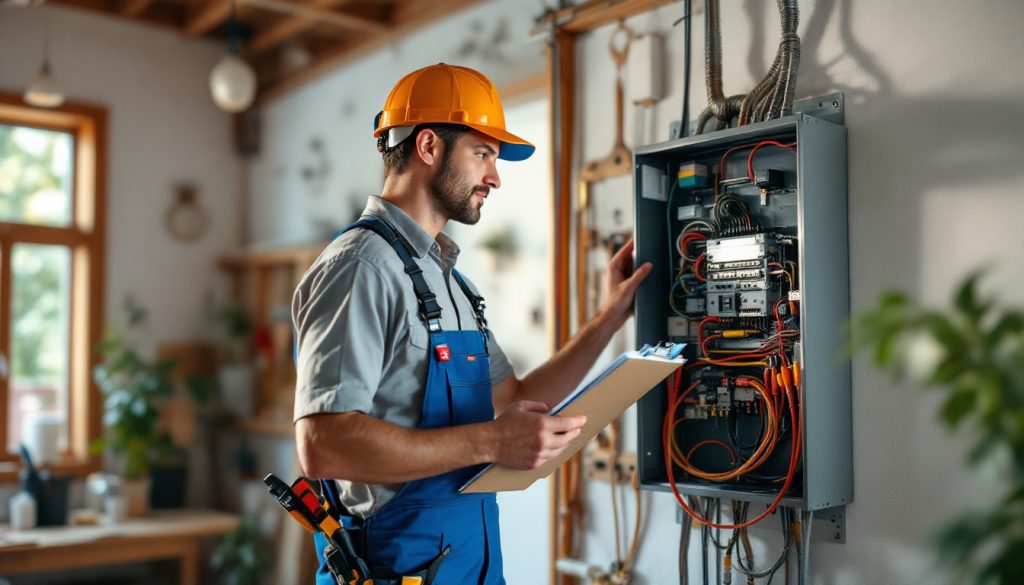
Most homeowners go years without thinking about their electrical system until something goes wrong. A blown breaker, a flickering light, or worse—an electrical fire. A whole house electrical inspection gives you a complete picture of your electrical health before problems turn into emergencies. Whether you’re buying a home, planning a major renovation, or your house is more than 25 years old, a professional electrical inspection reveals hidden dangers and code violations that a standard home inspection might miss. Licensed electricians in the San Gabriel Valley conduct these inspections to evaluate every component of your electrical system, from the main service panel to the last outlet in your home.
The Panel and Breaker Check: Your Electrical System’s Control Center
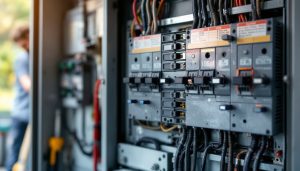
The inspection starts at your electrical panel, the heart of your home’s power distribution. The electrician examines the panel box for signs of damage, corrosion, or overheating. They check the main breaker capacity to ensure it matches your home’s service rating—most modern homes require at least 200 amps, while older homes in San Dimas and Glendora often have 100-amp or even 60-amp service.
Each individual breaker gets tested for proper operation and correct amperage ratings. The inspector verifies that breakers trip at their rated capacity and reset properly. They look for double-tapped breakers (two wires on one breaker), which create fire hazards and violate electrical code. Panel labeling matters too. Each breaker should clearly identify which circuits it controls.
The inspector also examines the panel’s overall condition. Rust, moisture, or burn marks indicate serious problems. Federal Pacific and Zinsco panels, common in homes built between 1950 and 1980, are known fire hazards that should be replaced. Modern homes need adequate space in the panel for future circuits. This detailed panel inspection identifies immediate safety issues and helps you plan for future electrical needs.
Wiring Assessment: Evaluating the Backbone of Your Electrical System
After the panel, the inspector evaluates your home’s wiring throughout accessible areas. They identify the type of wiring in your home—modern copper, older aluminum, or outdated knob-and-tube or cloth-wrapped wiring. Each type has different safety implications and lifespan expectations. Homes built before 1965 often contain wiring that doesn’t meet current safety standards.
The inspector checks visible wiring in the attic, basement, garage, and crawl spaces for signs of damage, deterioration, or amateur repairs. They look for exposed wires, improper splices, and wiring that lacks proper protection. Insulation that’s cracked, frayed, or worn away exposes bare conductors and creates shock and fire risks. Rodent damage is common in attics and crawl spaces.
Wire sizing matters for safety and capacity. The inspector verifies that wire gauge matches the breaker size and intended load. Using 14-gauge wire on a 20-amp circuit creates an overheating risk. They also examine junction boxes to ensure all connections are properly contained and covered.
The age and condition of your wiring determines whether repairs or full rewiring is necessary. If you’ve noticed warning signs of electrical problems like flickering lights or burning smells, the wiring assessment often reveals the underlying cause. The inspector’s report specifies which areas need immediate attention.
Grounding and Bonding Test: Essential Electrical Safety Components
Proper grounding protects you from electrical shock and helps prevent fires. The inspector tests your system’s grounding to verify it meets current code requirements. They check that your electrical panel is properly bonded to a grounding electrode—either a ground rod driven into the earth, a connection to metal water pipes, or both.
The grounding system creates a safe path for electrical current during a fault or surge. Without proper grounding, metal fixtures, appliances, and even the panel box itself can become energized and dangerous. The inspector uses specialized equipment to measure ground resistance and verify the grounding electrode connection is solid and effective.
Bonding connects all metal components of your electrical system to create electrical continuity. The inspector verifies that metal conduit, junction boxes, and panel enclosures are properly bonded. They also check that metal water pipes, gas lines, and other conductive systems are bonded to the electrical system when required by code.
Older homes in Covina and La Verne often lack adequate grounding. Two-prong outlets indicate ungrounded circuits, which don’t provide the same level of protection as modern three-prong grounded outlets. The inspector identifies where grounding upgrades are necessary. Sometimes adding grounding to existing circuits is straightforward. Other times, especially in homes with outdated wiring that needs replacement, full rewiring provides the most practical solution.
Outlet and Switch Testing: Ensuring Safety at Every Connection Point
The inspector tests outlets and switches throughout your home using plug-in testers and other diagnostic tools. They verify correct polarity—that hot and neutral wires are connected properly. Reversed polarity is a common wiring mistake that creates shock hazards even when devices appear to work normally.
Ground-fault circuit interrupter (GFCI) outlets get special attention. These safety devices detect current imbalances and shut off power within milliseconds to prevent electrocution. Current code requires GFCIs in bathrooms, kitchens, garages, basements, and outdoor locations. The inspector tests each GFCI to confirm it trips and resets properly.
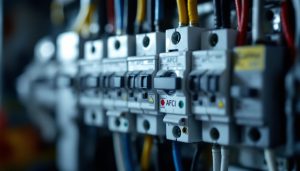
Arc-fault circuit interrupters (AFCIs) protect against electrical arcs that can start fires. Modern code requires AFCI protection for most living areas. The inspector verifies these devices are installed where required and functioning correctly. They also look for backstabbed outlets—connections made by pushing wires into holes on the back of the outlet rather than securing them under screw terminals.
The inspector checks that outlet and switch cover plates are present and properly secured. Missing or broken covers expose live electrical components. They verify that outdoor outlets have weatherproof covers and that outlets near water sources have proper protection.
Load Calculation: Does Your Home Have Enough Electrical Capacity?
A critical but often overlooked part of the home electrical assessment is calculating your home’s electrical load. The inspector evaluates whether your current electrical service can handle your actual power needs. They consider the square footage of your home, major appliances, heating and cooling systems, and any special equipment.
Modern homes demand more electricity than homes built even 20 years ago. Multiple large-screen TVs, computers, kitchen appliances, HVAC systems, and electric vehicle chargers add up quickly. The inspector calculates your total expected load and compares it to your panel’s capacity. A 100-amp service might have been adequate in 1970, but it’s insufficient for a modern household.
The load calculation reveals whether your system is overloaded or approaching maximum capacity. Running at or near capacity increases the risk of nuisance tripping, overheating, and electrical failures. The inspector identifies whether a service upgrade is necessary now or should be planned before adding major loads.
This analysis is particularly valuable when planning renovations. Kitchen remodels, room additions, and workshop installations often require additional circuits and capacity. The load calculation helps you understand whether your existing service can support your plans or whether an electrical panel upgrade should be part of your project budget.
Code Compliance Review: Meeting Current Electrical Standards
Electrical codes evolve to incorporate new safety standards and technologies. A comprehensive code compliance check compares your current system to the National Electrical Code (NEC) and California state requirements. The inspector identifies areas where your home doesn’t meet current standards, even if the original installation was legal when built.
Common code issues in older San Gabriel Valley homes include insufficient GFCI and AFCI protection, missing bonding connections, improper wire types or sizes, and inadequate circuit capacity. While existing installations are usually grandfathered, code violations become relevant when selling your home, refinancing, or making alterations.
The inspector notes which issues are immediate safety concerns versus items that simply don’t meet current standards. This helps you prioritize repairs. A panel with active arcing or double-tapped breakers needs immediate attention. Two-prong outlets that work fine but lack grounding are lower priority.
Understanding code compliance is especially important before buying or selling a home. Buyers often request electrical repairs to address major violations discovered during inspection. The compliance review gives you a clear picture of your system’s status relative to current safety standards.
When to Schedule a Whole-House Electrical Inspection
Several situations call for a professional electrical inspection. If you’re buying a home, an electrical inspection before closing reveals problems the general home inspector might miss. Home inspectors provide broad overviews but aren’t licensed electricians.
Schedule an inspection if your home is more than 25 years old and hasn’t been inspected recently. Electrical systems deteriorate over time. Connections loosen, insulation breaks down, and components wear out. Regular inspections catch problems before they become emergencies.
Planning a major renovation triggers the need for an inspection. Before you invest in a kitchen remodel, room addition, or home office, verify your electrical system can support the increased load. The inspection might reveal that your 100-amp service needs upgrading to 200 amps.
Some insurance companies require electrical inspections, especially for older homes or when changing coverage. If you’ve noticed warning signs like frequently tripping breakers, flickering lights, warm outlets, or burning smells, don’t wait. Schedule an inspection immediately.
Electrical Inspection Cost and What You Receive
In the San Gabriel Valley, a whole house electrical inspection typically costs between $200 and $400, depending on your home’s size and complexity. This cost is separate from any repairs the inspection identifies. The inspector provides a detailed written report documenting their findings, including photographs of problem areas.
The report categorizes issues by urgency—immediate safety hazards, recommended repairs, and items to monitor. You receive specific information about code violations, system capacity, and component conditions.
The investment in a professional inspection provides peace of mind and helps you make informed decisions. Discovering that your 40-year-old panel needs replacement before it fails is far better than dealing with an electrical fire. Knowing your system’s capacity before planning an addition saves money by avoiding mid-project surprises.
Get Professional Electrical Inspection Services in the San Gabriel Valley
A whole house electrical inspection reveals what you can’t see—hidden dangers, code violations, and capacity limitations that affect your home’s safety and functionality. Whether you’re buying a home, maintaining an older property, or planning renovations, a professional inspection gives you the information you need to make smart decisions.
Martin’s Electrical & Lighting Company provides comprehensive electrical inspections for homeowners throughout San Dimas, Glendora, La Verne, Covina, and the surrounding San Gabriel Valley. Our licensed electricians conduct thorough evaluations and provide detailed reports with clear recommendations. Don’t wait until small problems become major emergencies.
Get a Free Estimate — Contact Martin’s Electrical today to schedule your whole-house electrical inspection and ensure your home’s electrical system is safe, compliant, and ready for your needs.